
Delving into Fitness apps for tracking progress, this introduction immerses readers in a unique and compelling narrative. In today’s fast-paced world, where health and fitness are paramount, keeping track of your progress is key to achieving your goals.
Whether you’re a seasoned fitness enthusiast or just starting your wellness journey, having the right tools at your fingertips can make all the difference. Fitness apps offer a convenient way to monitor your workouts, nutrition, and overall progress with just a few taps on your smartphone.
Fitness Apps for Tracking Progress
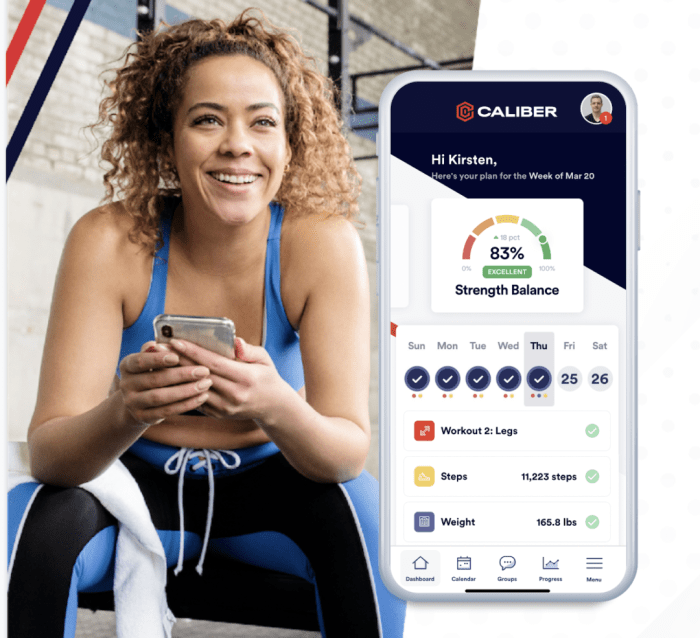
Fitness apps have become essential tools for individuals looking to monitor and track their progress on their fitness journey. These apps offer a convenient way to keep track of workouts, nutrition, and overall health goals.
Comparison of Fitness Tracking Apps
- MyFitnessPal: Known for its extensive food database and calorie tracking features.
- Fitbit: Offers activity tracking, heart rate monitoring, and sleep tracking functionalities.
- Strava: Popular among cyclists and runners for tracking routes, pace, and distance.
- Nike Training Club: Provides guided workout routines and personalized training plans.
Motivation and Accountability
Fitness apps play a crucial role in keeping individuals motivated and accountable towards their fitness goals. By setting reminders, tracking progress, and providing insights into achievements, these apps help users stay on track and committed to their health and wellness journey.
Essential Features in Fitness Tracking Apps
- Goal Setting: Allows users to set specific goals such as weight loss, muscle gain, or running distance.
- Progress Tracking: Enables users to log workouts, monitor nutrition intake, and track changes in their fitness levels over time.
- Community Support: Connects users with like-minded individuals for motivation, inspiration, and support.
- Data Analysis: Provides detailed analytics on workouts, sleep patterns, and overall health metrics to help users make informed decisions.
Wellness Programs
Wellness programs are comprehensive initiatives designed to promote overall health and well-being by addressing various aspects of an individual’s physical, mental, and emotional health.
Components of a Comprehensive Wellness Program
- Physical Fitness: Including exercise routines, workout plans, and activities to improve strength, flexibility, and cardiovascular health.
- Nutrition Guidance: Offering nutritional education, meal planning, and healthy eating habits to support a balanced diet.
- Mental Health Support: Providing resources for managing stress, anxiety, and mental well-being through counseling, mindfulness practices, and relaxation techniques.
- Health Screenings: Conducting regular health assessments, screenings, and check-ups to monitor and prevent potential health issues.
- Behavioral Change Programs: Implementing strategies to promote positive lifestyle changes, habits, and behaviors for long-term health benefits.
Benefits of Participating in Wellness Programs
- Improved Physical Health: Participants experience enhanced fitness levels, increased energy, and reduced risk of chronic diseases.
- Enhanced Mental Well-being: Wellness programs help reduce stress, boost mood, and improve overall mental health.
- Increased Productivity: Individuals who engage in wellness programs often report higher levels of focus, motivation, and productivity in various aspects of their lives.
- Community Support: Wellness programs foster a sense of belonging, connection, and support through group activities, workshops, and shared experiences.
Success Stories of Health Improvement Through Wellness Programs
John, a participant in a wellness program, lost 30 pounds, lowered his cholesterol levels, and improved his overall fitness through regular exercise and healthy eating habits.
Sarah, who struggled with anxiety and stress, found relief and improved mental well-being by practicing mindfulness and attending stress management workshops as part of a wellness program.
Promoting a Healthy Lifestyle Beyond Physical Fitness
- Emotional Well-being: Wellness programs emphasize the importance of mental health, emotional balance, and stress management for a holistic approach to well-being.
- Social Connections: Engaging in wellness programs can lead to building supportive relationships, fostering connections, and creating a sense of community.
- Lifelong Habits: Participants learn sustainable habits, healthy routines, and self-care practices that contribute to long-term health and well-being.
Herbal Remedies
Herbal remedies have been used for centuries to promote health and wellness. These natural remedies are derived from plants and herbs, offering a holistic approach to maintaining well-being.
Common Herbal Remedies, Fitness apps for tracking progress
Many common herbal remedies are used for various health concerns, such as:
- Peppermint: Known for its soothing properties, peppermint can aid digestion and help relieve nausea.
- Turmeric: With its anti-inflammatory properties, turmeric can help reduce inflammation in the body.
- Lavender: Often used for its calming effects, lavender can promote relaxation and reduce stress.
Potential Benefits and Risks
While herbal remedies can offer numerous benefits, it’s essential to be aware of potential risks, such as:
- Benefits: Herbal remedies can provide natural solutions for common health issues, often with fewer side effects than pharmaceuticals.
- Risks: Some herbal remedies may interact with medications or cause allergic reactions in certain individuals.
It’s crucial to consult with a healthcare provider before incorporating herbal remedies into your routine.
Safely Incorporating Herbal Remedies
When integrating herbal remedies into your health regimen, consider the following tips:
- Research: Thoroughly research the herbal remedy and its potential interactions before use.
- Quality: Choose high-quality herbal products from reputable sources to ensure purity and efficacy.
- Start Slow: Begin with a low dose to assess tolerance and effectiveness before increasing intake.
Herbal Remedies for Fitness and Well-being
Some herbal remedies can support fitness goals and overall well-being, such as:
- Ginseng: Known for its energy-boosting properties, ginseng can enhance stamina and endurance during workouts.
- Ashwagandha: With its adaptogenic properties, ashwagandha can help the body manage stress and promote overall balance.
- Green Tea: Rich in antioxidants, green tea can aid in weight management and support metabolism.
Skin Health
Maintaining healthy skin is an essential part of overall wellness, and it is closely linked to our fitness routines and practices. Engaging in physical activities can have both positive and negative effects on our skin, depending on how we take care of it.
Skincare Routines to Complement Fitness Regimen
When engaging in a fitness regimen, it’s crucial to follow a skincare routine that complements your activities. Here are some tips to help you maintain healthy skin:
- Avoid wearing makeup during workouts to prevent clogging pores and breakouts.
- Use a gentle cleanser to remove sweat and dirt after exercising to prevent acne and skin irritation.
- Apply sunscreen before heading outdoors to protect your skin from harmful UV rays.
- Stay hydrated by drinking plenty of water to keep your skin moisturized and healthy.
Tips for Healthy Skin During Physical Activities
Engaging in physical activities can sometimes lead to skin issues if not properly cared for. Here are some tips to help you maintain healthy skin while staying active:
- Shower immediately after working out to remove sweat and bacteria from your skin.
- Choose workout clothes made of breathable fabrics to prevent skin irritation and breakouts.
- Avoid touching your face during workouts to minimize the spread of bacteria and prevent breakouts.
Impact of Hydration and Nutrition on Skin Health
Hydration and nutrition play a crucial role in maintaining healthy skin, especially when engaging in physical activities. Here’s how they can impact your skin health:
- Drinking an adequate amount of water helps keep your skin hydrated and glowing.
- Eating a balanced diet rich in fruits, vegetables, and healthy fats can promote skin health and prevent premature aging.
- Avoid consuming excessive amounts of sugar and processed foods, as they can contribute to skin issues like acne and inflammation.
Bone Density
Monitoring bone density is crucial, especially for individuals engaged in fitness activities, as it directly impacts overall skeletal health and injury prevention.
Exercise and Nutrition for Healthy Bone Density
Regular weight-bearing exercises, such as running, weightlifting, and dancing, help stimulate bone growth and maintain density. Additionally, a balanced diet rich in calcium, vitamin D, and other essential nutrients is essential for bone health.
Bone Density Testing Methods
Bone density testing, also known as a DXA scan, is a common method to measure bone mineral density and assess fracture risk. Results are usually compared to a standard reference population to determine bone density status.
Tips for Improving and Maintaining Bone Density
- Avoid smoking and excessive alcohol consumption, as they can weaken bones.
- Ensure an adequate intake of calcium and vitamin D through diet or supplements.
- Engage in regular weight-bearing and muscle-strengthening exercises to promote bone health.
- Limit intake of carbonated beverages and processed foods high in sodium, which can leach calcium from bones.
Muscle Mass
Muscle mass plays a crucial role in overall fitness and health. Not only does it contribute to a toned and sculpted physique, but it also helps boost metabolism, improve strength, and support overall functionality of the body.
Strategies for Increasing Muscle Mass
- Engage in resistance training: Incorporate exercises like weightlifting, bodyweight exercises, and resistance bands to challenge your muscles and promote growth.
- Focus on protein intake: Ensure you are consuming an adequate amount of protein to support muscle repair and growth. Lean sources such as chicken, fish, tofu, and legumes are great options.
- Get enough rest: Allow your muscles time to recover and grow by prioritizing rest and quality sleep. Muscles repair and grow during periods of rest, so adequate recovery is essential.
- Stay hydrated: Hydration is key for optimal muscle function and growth. Drink plenty of water throughout the day to support muscle health.
Tracking Muscle Mass Changes
- Use a body composition scale: Invest in a body composition scale that can track muscle mass, body fat percentage, and other metrics to monitor changes over time.
- Take progress photos: Visual progress can be a great way to track changes in muscle mass. Take photos regularly to see how your physique is evolving.
Effective Exercises for Building Muscle Mass
- Squats: A compound exercise that targets multiple muscle groups, including the quads, hamstrings, and glutes.
- Deadlifts: Another compound movement that engages the back, glutes, and hamstrings, promoting overall muscle growth.
- Bench Press: Targets the chest, shoulders, and triceps, helping to increase upper body strength and muscle mass.
- Pull-Ups: A great bodyweight exercise that works the back, biceps, and shoulders, promoting muscle development in the upper body.
Dental Care
Maintaining good dental care is essential for overall health and well-being. Poor oral hygiene can lead to various health issues beyond just tooth decay, such as cardiovascular diseases and respiratory infections. It is crucial to prioritize dental care as part of your wellness routine.
Impact on Fitness Goals
Good dental health can directly impact your fitness goals and performance. Oral health issues like gum disease can lead to inflammation in the body, affecting your overall health and potentially hindering your ability to exercise effectively. Furthermore, poor dental hygiene can cause bad breath, which can be a confidence killer during workouts or social interactions.
- Brush your teeth at least twice a day and floss regularly to prevent plaque buildup and maintain healthy gums.
- Stay hydrated to promote saliva production, which helps wash away food particles and prevent bacteria growth.
- Avoid consuming sugary or acidic foods and drinks, as they can contribute to tooth decay and enamel erosion.
- Visit your dentist regularly for check-ups and cleanings to catch any issues early and prevent them from escalating.
Common Dental Issues for Athletes
Athletes and fitness enthusiasts may face unique dental challenges due to their active lifestyles. These can include:
- Increased risk of cavities from consuming sports drinks, energy bars, or gels during workouts.
- Bruxism (teeth grinding) from stress or intense training, leading to tooth wear and jaw pain.
- Dehydration from intense workouts, which can reduce saliva production and increase the risk of cavities.
- Oral trauma from contact sports or accidents, resulting in broken teeth or jaw injuries.
Eye Health
Maintaining good eye health is crucial for individuals engaging in fitness activities. Our eyes play a vital role in our overall well-being and are key to ensuring we can perform exercises safely and effectively. Here are some tips to protect and preserve eye health during workouts and outdoor activities.
Tips for Protecting Eye Health
- Avoid staring at screens for prolonged periods of time to reduce eye strain.
- Wear protective eyewear, such as sunglasses, to shield your eyes from harmful UV rays during outdoor exercises.
- Stay hydrated to keep your eyes lubricated and prevent dryness, especially during intense workouts.
- Take regular breaks to rest your eyes and prevent fatigue while engaging in physical activities.
Importance of Regular Eye Check-ups
Regular eye check-ups are essential for individuals involved in fitness programs. Routine eye examinations can help detect any vision problems early on and ensure that your eyes are healthy and functioning optimally. It is recommended to schedule an eye exam at least once a year to monitor any changes in your vision.
Eye Exercises and Habits
- Practice the 20-20-20 rule: Every 20 minutes, take a 20-second break and look at something 20 feet away to reduce eye strain.
- Perform eye exercises like focusing on distant objects and then shifting your gaze to something up close to improve eye flexibility.
- Avoid rubbing your eyes vigorously, as this can cause irritation and potential damage to the delicate tissues.
- Eat a balanced diet rich in nutrients like vitamin A, C, and E to support overall eye health and function.
Mental Clarity
Physical fitness and mental clarity are deeply interconnected. When you engage in regular exercise and maintain a healthy lifestyle, it not only benefits your body but also has a significant impact on your cognitive function and mental well-being. Exercise helps increase blood flow to the brain, which can enhance memory, concentration, and overall cognitive performance.
Impact of Exercise on Cognitive Function
Regular physical activity has been shown to improve cognitive function by promoting the growth of new brain cells, reducing inflammation, and increasing levels of neurotransmitters that are vital for brain health. Exercise also helps in reducing stress and anxiety, which can further improve mental clarity and focus.
Techniques to Improve Mental Clarity
- Practice mindfulness exercises such as meditation, deep breathing, or yoga to help calm the mind and increase focus.
- Get an adequate amount of sleep each night to allow your brain to rest and recharge, improving mental clarity the next day.
- Stay hydrated and maintain a balanced diet rich in nutrients that support brain function, such as omega-3 fatty acids and antioxidants.
Mindfulness Exercises for Mental Clarity
- Body Scan Meditation: Focus your attention on different parts of your body, releasing tension and promoting relaxation.
- Deep Breathing Exercises: Inhale deeply through your nose, hold for a few seconds, and exhale slowly through your mouth to calm the mind and improve focus.
- Visualization Techniques: Imagine a peaceful place or a positive outcome to reduce stress and enhance mental clarity.
Joint Flexibility
Maintaining joint flexibility is crucial for overall mobility and fitness. Flexible joints allow for a wider range of motion, making everyday activities easier and reducing the risk of injuries during workouts.
Stretching Exercises for Improved Joint Flexibility
- Start with a gentle warm-up to increase blood flow to the muscles and prepare them for stretching.
- Perform dynamic stretches like arm circles, leg swings, and hip rotations to loosen up the joints.
- Incorporate static stretches such as calf stretches, hamstring stretches, and shoulder stretches to improve flexibility.
Benefits of Tracking Joint Flexibility Progress
- Tracking progress can help identify areas of improvement and adjust your routine accordingly.
- It allows you to measure your flexibility gains over time and stay motivated to continue with your stretching exercises.
- By monitoring joint flexibility, you can prevent overstretching or straining your muscles during workouts, reducing the risk of injuries.
Tips for Enhancing Joint Flexibility
- Consistency is key – incorporate stretching exercises into your daily routine to see significant improvements in joint flexibility.
- Focus on major muscle groups like the hamstrings, quadriceps, and shoulders to maintain overall joint health.
- Listen to your body and avoid pushing yourself too hard during stretches to prevent injuries.
Digestive Health
Good digestive health is essential for overall well-being as it plays a crucial role in nutrient absorption, immune function, and waste elimination.
Diet and lifestyle choices have a significant impact on digestive health. Eating a balanced diet rich in fiber, fruits, vegetables, and whole grains can promote healthy digestion. Regular physical activity, staying hydrated, managing stress, and getting enough sleep also contribute to a well-functioning digestive system.
Tips for Improving Digestive Health
- Avoid processed foods high in sugar, fat, and artificial ingredients, as they can disrupt the balance of gut bacteria.
- Incorporate probiotic-rich foods like yogurt, kefir, sauerkraut, and kimchi to support a healthy gut microbiome.
- Stay hydrated by drinking plenty of water throughout the day to aid in digestion and prevent constipation.
- Include fiber-rich foods such as legumes, whole grains, nuts, and seeds to promote regular bowel movements and maintain gut health.
Foods that Promote Gut Health
- Yogurt: Contains probiotics that support a healthy balance of gut bacteria.
- Bananas: Rich in fiber and prebiotics that feed beneficial gut bacteria.
- Ginger: Helps alleviate digestive issues like bloating, gas, and indigestion.
- Whole Grains: Provide fiber to support healthy digestion and prevent constipation.
Detox Process
Detoxification is a crucial process that helps eliminate toxins and waste from the body, promoting overall health and well-being. By supporting the body’s natural detox process, individuals can experience improved energy levels, clearer skin, better digestion, and enhanced immune function.
Methods for Supporting Detox Process
- Adequate Hydration: Drinking plenty of water helps flush out toxins and supports kidney function.
- Healthy Diet: Incorporating fruits, vegetables, whole grains, and lean proteins can aid in detoxification.
- Regular Exercise: Physical activity promotes circulation and sweating, which helps eliminate toxins through the skin.
- Limiting Alcohol and Caffeine: Reducing consumption of these substances can lessen the burden on the liver.
Tips for Incorporating Detox Routines
- Start with a gentle detox plan to avoid overwhelming the body.
- Gradually introduce detox practices into your daily routine for long-term benefits.
- Consult with a healthcare professional before beginning any intense detox program.
Foods for Detoxification
- Leafy Greens: Spinach, kale, and collard greens are rich in antioxidants and support liver function.
- Lemons: Lemons contain vitamin C and citric acid, which aid in digestion and liver detoxification.
- Garlic: Garlic has sulfur compounds that help the liver detoxify harmful substances.
Blood Pressure
Monitoring blood pressure is crucial for overall health as it is a key indicator of cardiovascular well-being. High blood pressure, also known as hypertension, can lead to serious health issues such as heart disease, stroke, and kidney problems. On the other hand, low blood pressure can cause dizziness, fatigue, and fainting.
Therefore, maintaining healthy blood pressure levels is essential for a healthy lifestyle.
Impact of Fitness on Blood Pressure
Fitness activities play a significant role in positively impacting blood pressure levels. Regular exercise helps improve cardiovascular health, strengthen the heart muscle, and lower blood pressure. Aerobic exercises like running, swimming, or cycling can help reduce blood pressure by making the heart more efficient at pumping blood.
Strength training exercises also contribute to lowering blood pressure by improving overall cardiovascular function.
Tips for Healthy Blood Pressure
- Aim for at least 150 minutes of moderate-intensity aerobic exercise per week.
- Incorporate strength training exercises at least twice a week.
- Follow a balanced diet rich in fruits, vegetables, whole grains, lean proteins, and healthy fats.
- Limit sodium intake and avoid processed foods high in salt.
- Maintain a healthy weight and manage stress effectively through relaxation techniques or mindfulness practices.
Blood Pressure and Cardiovascular Health
High blood pressure can put a strain on the heart and blood vessels, increasing the risk of heart disease, heart attacks, and strokes. It can also lead to the development of atherosclerosis, a condition where plaque builds up in the arteries, restricting blood flow.
Monitoring and managing blood pressure through lifestyle changes, including regular exercise and a healthy diet, can significantly reduce the risk of cardiovascular complications.
Heart Rate
Tracking heart rate during workouts or physical activities is crucial for optimizing fitness routines and ensuring overall cardiovascular health. By monitoring heart rate, individuals can understand their exertion levels, avoid overtraining, and tailor their exercise intensity to meet specific fitness goals.
Importance of Heart Rate Monitoring
Monitoring heart rate during exercise provides valuable insights into the intensity of the workout and helps individuals stay within their target heart rate zones. This information is essential for maximizing the effectiveness of training sessions and preventing potential cardiovascular issues.
- Optimizing Fitness Routines: Tracking heart rate allows individuals to adjust their workout intensity to achieve optimal results based on their fitness goals, whether it’s fat burning, endurance improvement, or cardiovascular conditioning.
- Preventing Overtraining: By monitoring heart rate, individuals can avoid pushing themselves too hard, which can lead to fatigue, injury, or burnout. Maintaining a balanced heart rate range ensures safe and effective workouts.
- Tailoring Exercise Intensity: Understanding heart rate zones helps individuals customize their training programs to suit their fitness level and objectives. Whether it’s high-intensity intervals or steady-state cardio, monitoring heart rate ensures workouts are challenging yet manageable.
Maintaining a Healthy Heart Rate Range
For different fitness goals, maintaining a healthy heart rate range is essential to achieve optimal results and promote cardiovascular health. Here are some tips for keeping your heart rate in the right zone:
- Cardiovascular Conditioning: Aim for a heart rate between 50-85% of your maximum heart rate during aerobic workouts to improve cardiovascular endurance and efficiency.
- Fat Burning: To target fat burning, maintain a heart rate between 60-70% of your maximum heart rate to optimize calorie expenditure and promote weight loss.
- High-Intensity Training: For high-intensity interval training (HIIT), push your heart rate to 80-95% of your maximum heart rate during intense intervals to challenge your cardiovascular system and boost metabolism.
Wearable Devices and Apps for Heart Rate Tracking
There are several wearable devices and apps available that can effectively track heart rate during workouts and daily activities. These tools provide real-time feedback, personalized insights, and comprehensive data analysis to help individuals monitor their heart health and fitness progress.
Examples of popular wearable devices and apps for heart rate monitoring include Fitbit, Apple Watch, Garmin, Polar, and MyZone. These devices offer accurate heart rate tracking, workout summaries, and customized training zones to optimize performance and achieve fitness goals.
Health Screenings
Regular health screenings are crucial for preventive care as they help detect potential health issues early on, allowing for timely intervention and treatment. For individuals following fitness programs, health screenings can provide valuable insights into the impact of their lifestyle choices on overall health.
Importance of Regular Health Screenings
Health screenings play a vital role in preventive healthcare by identifying risk factors and potential health conditions before they escalate. They help in maintaining overall well-being and can lead to early detection and treatment of diseases.
Common Health Screenings for Individuals in Fitness Programs
- Blood pressure monitoring
- Cholesterol levels check
- Blood glucose testing
- Body mass index (BMI) assessment
- Cardiovascular health screenings
Benefits of Early Detection Through Health Screenings
Early detection through health screenings can significantly increase the chances of successful treatment and recovery. It can also help in preventing the progression of certain health conditions, leading to better long-term outcomes.
Tips on Scheduling and Prioritizing Health Screenings
- Consult with healthcare professionals to determine the appropriate screening tests based on age, gender, and medical history.
- Integrate health screenings into your regular check-up routine to ensure consistency.
- Set reminders or schedule screenings alongside fitness goals to prioritize overall health and well-being.
Vaccination Programs
When it comes to maintaining overall health and immunity, vaccination programs play a crucial role. Vaccinations help the body build immunity against certain diseases, protecting individuals from potential infections and illnesses.
Recommended Vaccination Programs for Fitness Enthusiasts
- Flu Vaccine: Annual flu shots are recommended for fitness enthusiasts to prevent the flu virus from spreading in crowded gym environments.
- Tetanus Vaccine: Regular tetanus boosters are essential, especially for individuals engaged in activities that may result in cuts or wounds.
- Hepatitis B Vaccine: Fitness professionals who come in contact with blood or body fluids should consider getting vaccinated against Hepatitis B.
Importance of Staying up-to-date with Vaccinations
Staying up-to-date with vaccinations is crucial for optimal health as it ensures that your immune system is prepared to fight off potential infections. Missing out on vaccinations can leave you vulnerable to preventable diseases.
Integrating Vaccination Schedules with Fitness Routines
- Plan Ahead: Schedule your vaccinations during rest days or recovery periods to minimize any potential side effects that may impact your fitness routine.
- Consult with Healthcare Providers: Seek advice from healthcare providers to ensure that your vaccination schedule aligns with your fitness goals and activities.
- Maintain Records: Keep a record of your vaccination history and schedule to stay organized and ensure you are up-to-date with recommended vaccines.
Healthy Habits
Developing healthy habits is essential for long-term well-being as it forms the foundation for a healthy lifestyle. Consistency in these habits can lead to sustainable changes that positively impact overall health and fitness goals.
Examples of Daily Habits Supporting Health and Fitness Goals
- Eating a balanced diet rich in fruits, vegetables, lean proteins, and whole grains.
- Engaging in regular physical activity such as walking, jogging, or strength training.
- Getting an adequate amount of sleep each night to support recovery and overall health.
- Drinking plenty of water throughout the day to stay hydrated and support bodily functions.
Tips for Establishing and Maintaining Healthy Habits
- Start small and gradually introduce new habits into your routine to avoid feeling overwhelmed.
- Set specific and achievable goals to track your progress and stay motivated.
- Find a support system or accountability partner to help you stay on track and provide encouragement.
- Be flexible and forgiving with yourself if you slip up, and focus on getting back on track rather than dwelling on setbacks.
Balanced Hormones
Having balanced hormones is crucial for overall health and fitness. Hormones play a key role in various bodily functions, including metabolism, energy levels, mood regulation, and muscle growth.
Factors Affecting Hormone Levels
Several factors can impact hormone levels, such as stress, lack of sleep, unhealthy diet, sedentary lifestyle, and certain medical conditions. These factors can lead to hormonal imbalances, causing issues like weight gain, fatigue, mood swings, and decreased muscle mass.
Promoting Hormonal Balance
- Adequate sleep: Aim for 7-9 hours of quality sleep each night to support hormone regulation.
- Healthy diet: Include nutrient-rich foods like fruits, vegetables, whole grains, lean proteins, and healthy fats to promote hormonal balance.
- Regular exercise: Engage in physical activity regularly to help regulate hormone levels and improve overall health.
- Stress management: Practice relaxation techniques such as meditation, yoga, deep breathing, or mindfulness to reduce stress and support hormonal balance.
Hormone-Balancing Foods and Supplements
- Omega-3 fatty acids: Found in fatty fish, flaxseeds, and walnuts, omega-3s can help reduce inflammation and support hormone production.
- Probiotics: Foods like yogurt, kefir, and sauerkraut contain probiotics that can promote gut health and balance hormones.
- Vitamin D: Sunlight exposure and vitamin D-rich foods like salmon, egg yolks, and fortified dairy products can support hormone synthesis.
- Adaptogenic herbs: Herbs like ashwagandha, rhodiola, and holy basil can help the body adapt to stress and promote hormonal balance.
Health Coaching
Health coaching plays a crucial role in guiding individuals towards their wellness goals by providing personalized support and guidance. It focuses on empowering individuals to make positive lifestyle changes that promote overall health and well-being.
Benefits of Health Coaching
- Personalized Guidance: Health coaches work one-on-one with individuals to create customized plans tailored to their specific needs and goals.
- Accountability and Motivation: Coaches help individuals stay accountable and motivated, providing encouragement and support along the way.
- Educational Support: Coaches educate individuals on healthy habits, nutrition, exercise, stress management, and other wellness topics.
- Behavioral Change: Health coaching focuses on helping individuals make sustainable behavior changes for long-term health benefits.
Complementing Fitness Programs
Health coaching can complement fitness programs by providing a holistic approach to wellness. Coaches can work in tandem with fitness trainers to help individuals achieve their fitness goals while also addressing other aspects of their health, such as nutrition, stress management, and mental well-being.
Finding a Qualified Health Coach
- Credentials: Look for health coaches with recognized certifications and training from reputable organizations.
- Experience: Choose a coach with experience working with individuals with similar goals and challenges.
- Compatibility: Ensure that you have good chemistry and communication with your health coach for a successful partnership.
- Reviews and Testimonials: Seek feedback from previous clients to gauge the effectiveness of the coach.
Maximizing the Coaching Experience
- Set Clear Goals: Define specific and achievable goals with your health coach to track progress effectively.
- Be Open and Honest: Share your concerns, challenges, and successes openly with your coach to receive the best support.
- Stay Consistent: Commit to the coaching process and follow through with the action steps Artikeld by your coach.
- Communicate Regularly: Stay in touch with your coach between sessions for ongoing support and guidance.
Fitness Goals
Setting fitness goals is crucial for progress and motivation in your wellness journey. By defining specific and achievable goals, you can track your progress effectively and make necessary adjustments along the way.
Importance of Setting Specific and Achievable Fitness Goals
- Specific goals provide clarity and direction, helping you focus on what you want to achieve.
- Achievable goals are realistic and within reach, preventing discouragement or burnout.
- Setting goals increases accountability and motivation, driving you towards success.
Strategies for Defining and Tracking Fitness Goals Effectively
- Break down long-term goals into smaller, manageable steps to track progress more easily.
- Use a fitness tracker or journal to monitor workouts, nutrition, and overall wellness habits.
- Regularly reassess your goals and make adjustments based on feedback and results.
Tips on Adjusting Fitness Goals Based on Progress and Feedback
- Celebrate small victories along the way to stay motivated and encouraged.
- Listen to your body and be flexible with your goals to avoid injury or burnout.
- Seek guidance from a fitness professional or coach to help modify goals effectively.
Examples of Short-Term and Long-Term Fitness Goals
- Short-Term Goal:Complete a 30-minute workout five days a week for one month.
- Long-Term Goal:Run a marathon within the next year, gradually increasing mileage and endurance.
- Short-Term Goal:Increase daily water intake to eight glasses per day for two weeks.
- Long-Term Goal:Achieve a healthy body weight and maintain it for the next five years.
Diet Planning
Proper nutrition plays a crucial role in supporting fitness goals and overall health. A well-balanced diet can provide the necessary fuel for workouts, aid in muscle recovery, and help maintain overall well-being. Creating a diet plan that complements a fitness regimen is essential for achieving optimal results.
Tips for Creating a Balanced Diet Plan
- Aim for a variety of nutrient-dense foods, including fruits, vegetables, whole grains, lean proteins, and healthy fats.
- Ensure adequate hydration by drinking plenty of water throughout the day.
- Monitor portion sizes to avoid overeating and maintain a healthy weight.
- Limit processed foods, sugary beverages, and excessive amounts of sodium and added sugars.
Meal Planning for Nutritional Needs
Meal planning can help individuals meet their nutritional needs for optimal performance by ensuring they have the right balance of macronutrients and micronutrients. By preparing meals in advance, individuals can avoid making unhealthy food choices and stay on track with their fitness goals.
Nutrient-Rich Foods for Pre-Workout and Post-Workout Meals
- Pre-Workout: Include carbohydrates for energy, such as whole grains, fruits, and vegetables, along with a source of protein for muscle support, like Greek yogurt, nuts, or lean meats.
- Post-Workout: Focus on consuming protein to aid in muscle recovery and repair, such as chicken, fish, tofu, or protein shakes, along with carbohydrates to replenish glycogen stores, like sweet potatoes, quinoa, or brown rice.
Health Supplements
Health supplements play a crucial role in enhancing overall health and fitness outcomes by providing essential nutrients that may be lacking in the diet or needed in higher quantities to support physical activity and well-being.
Types of Supplements Recommended for Fitness
- Protein Powders: Ideal for muscle recovery and growth, especially for individuals engaging in strength training.
- BCAAs (Branched-Chain Amino Acids): Support muscle recovery and reduce muscle soreness after workouts.
- Multivitamins: Ensure adequate intake of essential vitamins and minerals for overall health and energy levels.
- Creatine: Helps improve strength and power during high-intensity workouts.
Tips for Choosing Quality Supplements
- Look for third-party tested supplements to ensure quality and purity.
- Check for certifications from reputable organizations like NSF or USP.
- Avoid supplements with unnecessary fillers and additives.
- Consult with a healthcare provider or nutritionist before adding new supplements to your routine.
Natural Supplements for Specific Goals
- Turmeric:Anti-inflammatory properties can help reduce muscle soreness and support joint health.
- Fish Oil:Omega-3 fatty acids support heart health and reduce inflammation in the body.
- Green Tea Extract:Boosts metabolism and aids in fat loss.
- Collagen:Supports skin health, joint flexibility, and muscle recovery.
Breathing Techniques
Proper breathing techniques are essential during exercise and physical activities as they can greatly impact performance, endurance, and relaxation. Understanding the connection between breathing and stress management is crucial in the context of fitness, as it can help optimize results and overall well-being.
Here are some tips on incorporating breathing practices into your fitness routine for better outcomes:
Breathing Exercises for Performance Improvement
- Practice diaphragmatic breathing by inhaling deeply through your nose, allowing your belly to expand, and exhaling slowly through your mouth.
- Focus on rhythmic breathing patterns to synchronize your breath with your movements during workouts, enhancing efficiency and reducing fatigue.
- Utilize breath-holding techniques to build lung capacity and improve oxygen utilization, especially during high-intensity intervals.
Breathing Techniques for Stress Management
- Engage in mindfulness breathing exercises, such as box breathing or 4-7-8 breathing, to calm the mind, reduce anxiety, and enhance focus during workouts.
- Practice progressive muscle relaxation combined with deep breathing to release tension, promote relaxation, and improve recovery post-exercise.
- Implement guided imagery techniques while breathing deeply to visualize success, boost motivation, and alleviate stress-induced muscle tension.
Incorporating Breathing Practices into Your Fitness Routine
- Start each workout with a few minutes of focused breathing to center yourself, increase awareness, and prepare your body for physical exertion.
- Integrate breath-awareness breaks during training sessions to check your breathing patterns, adjust as needed, and maintain optimal oxygen flow.
- Experiment with different breathing techniques based on the type of exercise, intensity level, and personal preferences to find what works best for you.
Disease Prevention
Regular exercise and healthy lifestyle choices play a crucial role in preventing chronic diseases. By incorporating fitness and wellness practices into your daily routine, you can significantly reduce the risk of various health conditions and enhance your overall well-being.
Benefits of Fitness and Healthy Habits
- Regular physical activity helps maintain a healthy weight and reduces the risk of obesity-related diseases like diabetes and heart disease.
- Healthy eating habits, such as consuming a balanced diet rich in fruits, vegetables, and lean proteins, can lower the risk of chronic conditions like hypertension and high cholesterol.
- Adequate sleep and stress management techniques contribute to a strong immune system, reducing susceptibility to infections and other illnesses.
Preventable Diseases through Fitness and Wellness
- Cardiovascular diseases: Regular exercise can improve heart health, lower blood pressure, and reduce the risk of strokes and heart attacks.
- Type 2 diabetes: Maintaining a healthy weight and active lifestyle can prevent or manage diabetes by regulating blood sugar levels.
- Osteoporosis: Weight-bearing exercises strengthen bones and reduce the risk of osteoporosis and fractures.
Holistic Approach to Disease Prevention
- Combine cardiovascular workouts, strength training, and flexibility exercises for a well-rounded fitness routine.
- Focus on a balanced diet, hydration, and adequate rest to support your body’s immune system and overall health.
- Incorporate stress-relief techniques such as yoga, meditation, or deep breathing exercises to maintain mental and emotional well-being.
Pain Management
Regular fitness activities can have a significant impact on pain management and relief. Engaging in exercises helps to strengthen muscles, improve flexibility, and enhance overall body function, which can alleviate various types of pain.
Strategies for Addressing and Preventing Exercise-Related Pain or Injuries
- Warm-up and cool down before and after workouts to prepare the muscles and prevent strain.
- Focus on proper form and technique to avoid injuries during exercise.
- Gradually increase the intensity and duration of workouts to prevent overexertion and pain.
- Incorporate rest days into your fitness routine to allow the body to recover and prevent overuse injuries.
Importance of Listening to the Body’s Signals
It is crucial to pay attention to the body’s signals when experiencing pain during workouts. Pushing through pain can lead to further injuries and setbacks. Listening to your body helps in identifying the cause of pain and making necessary adjustments to prevent exacerbation.
Pain Management Techniques for Fitness Routine
- Include stretching exercises to improve flexibility and reduce muscle tension.
- Practice yoga or Pilates to enhance body awareness and promote relaxation.
- Use foam rolling or massage therapy to relieve muscle soreness and tightness.
- Apply ice or heat therapy to reduce inflammation and alleviate pain in specific areas.
Holistic Treatments
Holistic treatments focus on treating the whole person, including mind, body, and spirit, rather than just addressing specific symptoms. These treatments aim to promote overall health and well-being by considering all aspects of an individual’s lifestyle and environment.
Benefits of Holistic Treatments
- Supports the body’s natural healing abilities
- Promotes relaxation and reduces stress
- Enhances overall mental and emotional well-being
- Addresses underlying causes of health issues
Alternative Therapies
- Acupuncture: Involves the insertion of thin needles into specific points on the body to help balance energy flow.
- Massage Therapy: Manipulation of soft tissues to improve circulation, reduce muscle tension, and promote relaxation.
- Chiropractic Care: Focuses on the alignment of the spine to improve nervous system function and overall health.
Integrating Holistic Treatments
To incorporate holistic treatments into your wellness routine, consider the following tips:
- Consult with a holistic health practitioner to create a personalized treatment plan.
- Combine holistic treatments with traditional fitness programs for a comprehensive approach to health.
- Practice mindfulness techniques such as meditation or yoga to enhance the effects of holistic treatments.
- Stay consistent with your holistic wellness routine to experience long-term benefits for your overall well-being.
Mental Resilience: Fitness Apps For Tracking Progress
Building mental resilience is crucial in achieving fitness goals and overcoming challenges. It involves developing the ability to bounce back from setbacks, stay focused, and maintain a positive mindset throughout the journey.
Importance of Mental Resilience
Mental resilience plays a key role in staying committed to a fitness routine and reaching desired outcomes. It helps individuals navigate obstacles, setbacks, and plateaus that may arise along the way.
Strategies for Building Mental Resilience
- Practice mindfulness and meditation to enhance self-awareness and emotional regulation.
- Cultivate a growth mindset by embracing challenges as opportunities for learning and growth.
- Engage in positive self-talk and affirmations to boost self-confidence and motivation.
- Prioritize self-care activities such as adequate rest, proper nutrition, and stress management techniques.
Techniques for Cultivating Mental Strength
- Set realistic goals and break them down into manageable steps to build confidence and momentum.
- Foster a strong support system by surrounding yourself with positive and encouraging individuals.
- Practice gratitude and focus on the positives in every situation to maintain a resilient perspective.
- Develop coping strategies for stress and anxiety, such as deep breathing exercises or journaling.
Tips for Fostering Mental Resilience in Fitness Journeys
- Stay adaptable and be willing to adjust your approach based on feedback and results.
- Celebrate small victories and milestones along the way to stay motivated and encouraged.
- Learn from setbacks and failures, viewing them as opportunities for growth and improvement.
- Seek professional guidance or support when needed to enhance mental resilience and overall well-being.
Closing Summary
As we conclude our exploration of Fitness apps for tracking progress, it’s evident that these digital companions play a vital role in modern fitness routines. By leveraging technology to stay accountable and motivated, individuals can take charge of their health and well-being like never before.
Key Questions Answered
How do fitness apps track progress?
Fitness apps use a combination of input data, such as workouts completed, nutrition intake, and body measurements, to provide users with a comprehensive view of their fitness journey.
Are fitness apps suitable for beginners?
Absolutely! Many fitness apps cater to users of all levels, offering beginner-friendly workouts, nutrition tips, and progress tracking features to support individuals starting their fitness journey.
Can fitness apps help with motivation?
Definitely! Fitness apps often incorporate motivational features such as goal-setting, progress tracking, and rewards systems to keep users inspired and committed to their fitness goals.


