
Kicking off with Herbs for balancing hormones naturally, this article delves into the transformative effects of herbal remedies on hormone regulation, skin health, bone density, muscle mass, and more. Uncover the secrets of nature’s healing properties.
Wellness Programs
Wellness programs play a crucial role in balancing hormones naturally by addressing various lifestyle factors that can impact hormone levels. These programs focus on promoting overall health and well-being, which in turn can help regulate hormones effectively.
Yoga and Meditation
Yoga and meditation are popular wellness programs that can help reduce stress levels and promote relaxation. High stress levels can disrupt hormone balance, leading to issues like cortisol imbalances. By incorporating yoga and meditation into a routine, individuals can lower stress levels and support hormone regulation.
Healthy Eating Plans
Wellness programs that emphasize healthy eating plans can also contribute to hormone balance. Certain nutrients and foods can impact hormone production and function. By following a balanced diet rich in fruits, vegetables, lean proteins, and whole grains, individuals can support overall health and hormone balance.
Regular Exercise Routines
Physical activity is another crucial component of wellness programs for hormone balance. Regular exercise can help improve insulin sensitivity, reduce inflammation, and support overall metabolic health. These factors are essential for hormone regulation and can help prevent imbalances.
Herbal Remedies
When it comes to balancing hormones naturally, herbal remedies have been used for centuries to help regulate hormone levels in the body. These natural remedies can be a safe and effective way to support hormonal balance without the need for synthetic hormones.
Various Herbs for Hormone Regulation
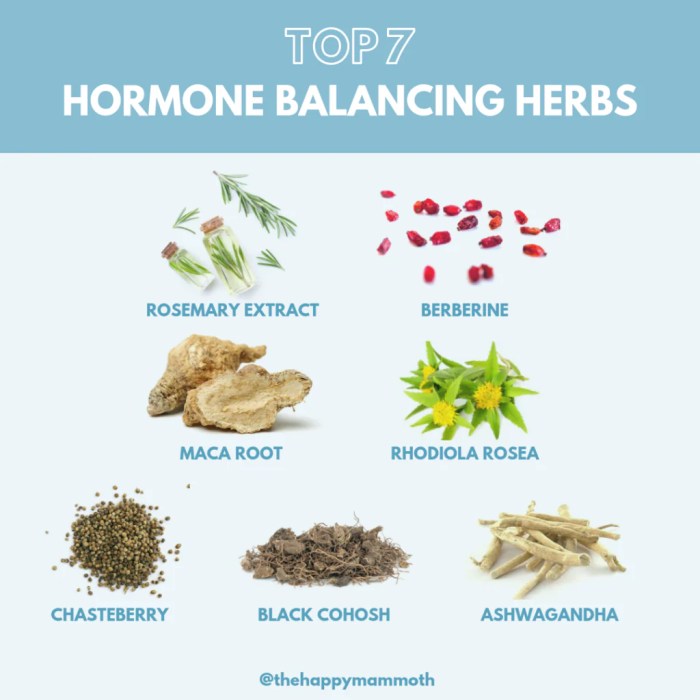
There are several herbs known for their hormone-balancing properties. Here are some of the most popular ones:
- Chasteberry:Also known as Vitex, chasteberry is commonly used to support hormonal balance, especially in women. It can help regulate the menstrual cycle and alleviate symptoms of PMS.
- Black Cohosh:This herb is often used to relieve menopausal symptoms such as hot flashes and night sweats. It can help balance estrogen levels in the body.
- Maca Root:Maca is known for its ability to support the endocrine system and promote hormonal balance. It is often used to boost fertility and energy levels.
- Ashwagandha:Ashwagandha is an adaptogenic herb that can help the body cope with stress and regulate cortisol levels, which in turn can support hormone balance.
Incorporating Herbal Remedies into Daily Routine
Here are some ways to easily incorporate herbal remedies into your daily routine:
- Try making a herbal tea by steeping dried herbs in hot water for a soothing and beneficial drink.
- Add powdered herbs like maca root or ashwagandha to your morning smoothie for an extra hormone-balancing boost.
- Use herbal tinctures or supplements as directed by a healthcare provider to ensure proper dosage and effectiveness.
Skin Health
Maintaining healthy skin is not just about skincare products; it also involves balancing hormones naturally to promote overall skin health. Hormone balance plays a crucial role in skin health, influencing factors such as oil production, collagen levels, and overall skin appearance.
Connection between Hormone Balance and Skin Health
Hormones like estrogen, progesterone, and testosterone play a significant role in skin health. Imbalances in these hormones can lead to issues such as acne, dryness, and premature aging. By regulating hormone levels naturally, you can improve the overall health and appearance of your skin.
Herbs for Improving Skin Health through Hormonal Regulation
Vitex
Also known as chasteberry, vitex helps balance estrogen and progesterone levels, which can improve skin conditions like acne and hormonal breakouts.
Dong Quai
This herb has been used in traditional Chinese medicine to regulate hormones and improve skin tone and texture.
Saw Palmetto
Known for its ability to block the enzyme that converts testosterone to dihydrotestosterone (DHT), saw palmetto can help reduce acne and excess oil production.
Wild Yam
Rich in diosgenin, wild yam can help balance hormones and improve skin elasticity and hydration.
Tips for Maintaining Healthy Skin through Balanced Hormones
- Avoid hormone-disrupting chemicals in skincare products and household items.
- Eat a balanced diet rich in fruits, vegetables, and healthy fats to support hormone production.
- Manage stress levels through activities like yoga, meditation, or deep breathing exercises.
- Stay hydrated by drinking plenty of water throughout the day to support skin health.
- Get enough quality sleep to allow your body to regulate hormones properly.
Bone Density
Maintaining optimal bone density is crucial for overall health and well-being. Hormones play a significant role in regulating bone density, with estrogen and testosterone being key players in this process. These hormones help in the formation of bone tissue and the maintenance of bone strength.
Herbs Supporting Bone Health
Certain herbs can support bone health by balancing hormones and promoting optimal bone density. For example, black cohosh is known for its estrogen-like effects, which can help in maintaining bone density, especially in menopausal women. Additionally, red clover contains isoflavones that mimic estrogen, supporting bone health in a natural way.
- Black Cohosh: Supports bone density through its estrogen-like effects.
- Red Clover: Contains isoflavones that mimic estrogen, promoting bone health.
Lifestyle Factors Impacting Bone Density
Several lifestyle factors can impact bone density and hormonal balance. Adequate calcium and vitamin D intake are essential for maintaining strong bones. Regular weight-bearing exercises, such as walking or weightlifting, can also help in preserving bone density. Furthermore, avoiding smoking and excessive alcohol consumption can contribute to better bone health.
- Calcium and Vitamin D Intake: Essential for maintaining strong bones.
- Weight-bearing Exercises: Helps in preserving bone density.
- Avoiding Smoking and Excessive Alcohol: Contributes to better bone health.
Muscle Mass
Maintaining hormone balance is crucial for preserving and increasing muscle mass. Hormones like testosterone, growth hormone, and insulin-like growth factor play a significant role in muscle growth and repair.
Herbs for Muscle Health
- Ashwagandha: Known for its ability to increase muscle mass and strength, ashwagandha helps in reducing cortisol levels which can inhibit muscle growth.
- Tribulus Terrestris: This herb is believed to enhance testosterone levels, promoting muscle growth and recovery after exercise.
- Fenugreek: Fenugreek seeds contain compounds that may increase testosterone levels, aiding in muscle building and strength gains.
It’s important to consult with a healthcare provider before incorporating herbs into your diet, especially if you have any underlying health conditions or are taking medications.
Dental Care
When it comes to dental health, hormonal imbalances can play a significant role in affecting the overall well-being of your teeth and gums. Hormones such as estrogen and progesterone can impact the blood supply to the gums and alter the body’s response to toxins produced by plaque, leading to potential issues like gum disease and inflammation.
Herbs for Hormonal Balance and Dental Care
There are several herbs known for their ability to promote hormonal balance, which in turn can benefit dental health. These herbs can help regulate hormone levels and support overall oral health:
- Chasteberry: This herb can help balance hormones by influencing the pituitary gland, which can have a positive impact on dental health.
- Black cohosh: Known for its hormone-balancing properties, black cohosh may help reduce inflammation in the gums and support healthy oral tissues.
- Ashwagandha: With its adaptogenic properties, ashwagandha can help the body cope with stress, which is essential for maintaining hormonal balance and good dental health.
Practices for Maintaining Dental Health with Balanced Hormones
Aside from incorporating herbs that promote hormonal balance, there are other practices you can follow to maintain good dental health through balanced hormones:
- Practice good oral hygiene by brushing and flossing regularly to prevent plaque buildup and maintain healthy gums.
- Stay hydrated to help flush out toxins and keep your mouth moist, which is essential for preventing bacterial growth.
- Eat a balanced diet rich in nutrients like calcium, vitamin D, and antioxidants to support strong teeth and gums.
- Avoid tobacco and limit sugary foods and drinks, as these can contribute to dental issues and hormonal imbalances.
Eye Health
Maintaining hormone balance is crucial for overall health, including eye health. Hormonal fluctuations can impact various functions in the body, including those related to the eyes.
Herbs for Supporting Eye Health
- Bilberry: Known for its antioxidant properties, bilberry can help support eye health by reducing inflammation and improving circulation to the eyes.
- Gingko Biloba: This herb can enhance blood flow to the eyes, promoting better vision and overall eye health.
- Turmeric: With its anti-inflammatory properties, turmeric can help reduce inflammation in the eyes and support overall eye health.
Tips for Promoting Good Eye Health
- Maintain a Balanced Diet: Eating a diet rich in antioxidants, vitamins, and minerals can support overall eye health and hormonal balance.
- Stay Hydrated: Drinking an adequate amount of water can help keep the eyes lubricated and reduce dryness.
- Protect Your Eyes: Use protective eyewear when necessary, such as sunglasses to shield your eyes from harmful UV rays.
- Get Regular Eye Check-ups: Regular eye exams can help detect any potential issues early on and prevent complications.
Mental Clarity
Maintaining mental clarity is crucial for overall well-being, and hormonal balance plays a significant role in cognitive function.
Herbs for Improving Mental Clarity
- Ginkgo Biloba: Known for its ability to enhance memory and concentration by increasing blood flow to the brain.
- Ashwagandha: Helps reduce stress and anxiety, promoting mental focus and clarity.
- Rhodiola Rosea: Supports mental alertness and cognitive function by regulating stress hormones.
Practices for Enhancing Mental Clarity Naturally
- Regular Exercise: Physical activity boosts circulation and oxygen flow to the brain, improving focus and mental clarity.
- Meditation: Mindfulness practices can help reduce stress and enhance cognitive function.
- Adequate Sleep: Prioritizing quality sleep is essential for optimal brain function and mental clarity.
Joint Flexibility
Maintaining joint flexibility is essential for overall mobility and quality of life. Hormone balance plays a crucial role in supporting joint health and flexibility. When hormones are imbalanced, it can lead to inflammation and stiffness in the joints, affecting flexibility and range of motion.
Herbs for Hormonal Balance and Joint Flexibility
- Black Cohosh: Known for its hormone-balancing properties, black cohosh can help reduce inflammation in the joints and improve flexibility.
- Chasteberry: This herb can help regulate hormone levels, which in turn can support joint health and flexibility.
- Turmeric: With its anti-inflammatory properties, turmeric can help reduce joint pain and stiffness, promoting flexibility.
Tips for Supporting Joint Health through Balanced Hormones
- Stay active: Regular exercise can help maintain joint flexibility and prevent stiffness.
- Stay hydrated: Drinking plenty of water can help keep joints lubricated and flexible.
- Eat a balanced diet: Consuming a diet rich in fruits, vegetables, and omega-3 fatty acids can support hormone balance and joint health.
Digestive Health
When it comes to digestive health, hormonal balance plays a crucial role in ensuring proper functioning of the gastrointestinal system. Hormones such as cortisol and insulin can impact digestion, absorption of nutrients, and overall gut health.
Herbs for Digestive Health
There are several herbs that can promote digestive health by helping to regulate hormones and improve overall gut function. Some of these herbs include:
-
Milk Thistle: Known for its liver-protecting properties, milk thistle can help support hormone balance and improve digestion.
-
Ashwagandha: This adaptogenic herb can help regulate cortisol levels, which in turn can benefit digestive health.
-
Peppermint: Peppermint is known for its soothing properties on the digestive system, helping to alleviate symptoms such as bloating and indigestion.
Dietary Recommendations for Digestive Health
In addition to incorporating herbs into your routine, maintaining a healthy diet is essential for supporting a healthy digestive system. Some dietary recommendations to promote digestive health include:
- Include fiber-rich foods such as fruits, vegetables, and whole grains to support digestion and regulate hormones.
- Avoid processed foods and excess sugar, which can disrupt hormonal balance and negatively impact gut health.
- Stay hydrated by drinking an adequate amount of water throughout the day to support digestion and overall gut function.
Detox Process
Hormone balance plays a crucial role in the body’s detoxification process. When hormones are imbalanced, it can impact the liver’s ability to effectively metabolize and eliminate toxins from the body. This can lead to a buildup of harmful substances in the body, affecting overall health and well-being.
Herbs Supporting Detox Process by Balancing Hormones
- Chaste Tree Berry: Known for its ability to regulate hormonal imbalances, chaste tree berry can support the liver in detoxifying excess hormones from the body.
- Milk Thistle: This herb is well-known for its liver-protective properties and can help enhance the liver’s detoxification function, promoting hormone balance.
- Dandelion Root: Dandelion root is a natural diuretic that supports kidney function, aiding in the elimination of toxins and excess hormones from the body.
Tips for Incorporating Herbs into Detox Routine for Optimal Hormone Balance
- Consult with a healthcare provider or herbalist to determine the right herbs and dosages for your specific needs.
- Include a variety of hormone-balancing herbs in your detox routine to target different aspects of hormonal imbalances.
- Consider incorporating herbs into teas, tinctures, or supplements for easy consumption and absorption.
- Pair herbal remedies with a healthy diet and lifestyle to maximize the benefits of hormone balance and detoxification.
Blood Pressure
When it comes to hormone balance, it plays a crucial role in regulating blood pressure levels. Hormones such as aldosterone, cortisol, and adrenaline can impact blood pressure by affecting fluid balance, blood vessel constriction, and heart rate.
Herbs for Healthy Blood Pressure
There are several herbs that can help maintain healthy blood pressure levels by supporting hormonal balance:
-
Garlic
: Known for its ability to promote heart health and regulate blood pressure.
-
Hawthorn
: Helps dilate blood vessels and improve circulation, leading to better blood pressure control.
-
Hibiscus
: Contains antioxidant properties that can help lower blood pressure and improve heart health.
Lifestyle Tips for Managing Blood Pressure with Herbs
Along with incorporating herbs into your routine, here are some lifestyle tips to help manage blood pressure naturally:
- Avoid excessive salt intake to prevent water retention and high blood pressure.
- Engage in regular physical activity to support overall cardiovascular health and blood pressure regulation.
- Practice stress-reducing techniques like meditation or yoga to keep cortisol levels in check.
Heart Rate
Hormonal imbalances can have a significant impact on heart rate, as hormones play a crucial role in regulating the cardiovascular system. When hormones such as adrenaline, cortisol, and thyroid hormones are imbalanced, it can lead to an irregular heart rate, palpitations, or even conditions like tachycardia or bradycardia.
Herbs for Heart Health
- Hawthorn: Known for its cardiovascular benefits, hawthorn can help regulate heart rate and improve circulation.
- Motherwort: This herb is often used to calm palpitations and support overall heart health.
- Linden: Linden flower tea can help reduce stress and anxiety, which can impact heart rate.
Tips for Maintaining Healthy Heart Rate
- Exercise regularly: Physical activity is essential for maintaining a healthy heart rate and overall cardiovascular health.
- Manage stress: Stress can contribute to hormonal imbalances, so practicing stress-reducing activities like meditation or yoga can help regulate heart rate.
- Stay hydrated: Dehydration can negatively impact heart rate, so be sure to drink an adequate amount of water daily.
Health Screenings
Regular health screenings play a crucial role in monitoring hormone balance and overall well-being. These screenings help in early detection of hormonal imbalances, allowing for timely intervention and treatment. Incorporating health screenings into routine healthcare can significantly contribute to maintaining balanced hormones and preventing potential health issues.
Importance of Regular Health Screenings
- Regular health screenings help in early detection of hormonal imbalances, allowing for prompt treatment and management.
- Monitoring hormone levels through screenings can aid in preventing potential health complications associated with hormonal imbalances.
- Health screenings provide valuable insight into overall health status and enable healthcare providers to customize treatment plans accordingly.
Vaccination Programs
Vaccination programs play a crucial role in supporting overall health and hormone balance by helping to strengthen the immune system and prevent the spread of infectious diseases. Vaccines can have a significant impact on hormonal regulation and immune system function, ultimately contributing to a more balanced and efficient hormonal system.
Connection between Vaccination Programs and Balanced Hormones
Vaccines work by stimulating the immune system to produce an immune response against specific pathogens. This process not only helps the body fight off infections but also promotes overall immune system health, which is closely linked to hormonal balance. When the immune system is functioning optimally, it can better regulate the production and activity of hormones throughout the body.
- Vaccines can help reduce inflammation in the body, which is important for maintaining hormonal balance. Chronic inflammation can disrupt hormone levels and lead to various health issues.
- By preventing infections, vaccines can protect the body from the stress of illness, which can otherwise impact hormone production and regulation.
- Some vaccines, such as the HPV vaccine, can directly impact hormone-related conditions by reducing the risk of certain infections that are linked to hormonal imbalances.
- Overall, vaccination programs contribute to a healthier immune system, which in turn supports balanced hormones and overall well-being.
Healthy Habits
Maintaining healthy habits is crucial for balancing hormones naturally and promoting overall well-being. Lifestyle choices play a significant role in regulating hormones, so it’s important to adopt habits that support hormonal balance. Here are some tips for cultivating healthy habits to support balanced hormones:
Regular Exercise
Regular physical activity is essential for hormone balance. Exercise helps reduce stress levels, improve insulin sensitivity, and promote better sleep, all of which are important for hormonal regulation. Aim for at least 30 minutes of moderate exercise most days of the week.
Healthy Diet
Eating a balanced diet rich in fruits, vegetables, whole grains, and lean proteins can help support hormonal balance. Avoid processed foods, sugary snacks, and excessive caffeine, as these can disrupt hormone levels. Include foods high in Omega-3 fatty acids, such as salmon and flaxseeds, which are beneficial for hormone production.
Stress Management
Chronic stress can lead to imbalances in cortisol, insulin, and other hormones. Practice stress-reducing techniques such as meditation, deep breathing exercises, yoga, or spending time in nature. Prioritizing self-care and relaxation can have a positive impact on hormone levels.
Adequate Sleep
Getting enough quality sleep is crucial for hormone regulation. Aim for 7-9 hours of sleep each night to support optimal hormone production and balance. Create a relaxing bedtime routine and ensure your sleep environment is conducive to restful sleep.
Hydration
Staying hydrated is important for overall health and hormone balance. Drink plenty of water throughout the day to support proper hormone function. Avoid excessive alcohol consumption, which can disrupt hormone levels.
Regular Health Check-ups, Herbs for balancing hormones naturally
Regular health screenings and check-ups can help detect any hormonal imbalances or other health issues early on. Be proactive about your health and consult with healthcare professionals if you notice any symptoms of hormonal imbalance.
Health Coaching: Herbs For Balancing Hormones Naturally
Health coaching plays a vital role in helping individuals achieve hormone balance by providing personalized guidance and support towards making positive lifestyle changes.
Role of Health Coaches in Hormonal Regulation
Health coaches act as mentors and motivators, assisting individuals in identifying factors that may be affecting their hormone balance. They work closely with clients to develop tailored plans that focus on nutrition, exercise, stress management, and other lifestyle factors that impact hormonal health.
- Health coaches help individuals understand the importance of a balanced diet in hormone regulation, emphasizing the consumption of nutrient-dense foods and the avoidance of processed or inflammatory foods.
- They guide clients in implementing regular physical activity routines that can support hormone balance, such as strength training, yoga, or cardio exercises.
- Health coaches also address stress management techniques, such as mindfulness practices, deep breathing exercises, or relaxation techniques, to help regulate cortisol levels and improve overall hormonal health.
By working with a health coach, individuals can gain the knowledge and tools necessary to make sustainable lifestyle changes that promote hormone balance and overall well-being.
Benefits of Partnering with a Health Coach for Hormone Balance
Partnering with a health coach for hormone balance offers numerous benefits, including:
- Personalized support and guidance tailored to individual needs and goals.
- Accountability and motivation to stay on track with lifestyle changes and habits.
- Educational resources and tools to enhance understanding of hormone balance and its impact on overall health.
- Empowerment to take control of one’s health and well-being through proactive lifestyle choices.
Fitness Goals
Setting fitness goals plays a crucial role in supporting hormone balance and overall health. Physical activity has a direct impact on hormone regulation, which in turn affects various bodily functions. By aligning fitness goals with hormone balance objectives, individuals can optimize their health and well-being.
The Relationship Between Physical Activity and Hormones
Regular physical activity has been shown to have a positive effect on hormone levels in the body. Exercise can help regulate insulin, cortisol, and other hormones that play a key role in metabolism, stress response, and overall health. By engaging in consistent exercise routines, individuals can support hormone balance and promote overall well-being.
- Exercise increases endorphin production, which can help reduce stress and improve mood.
- Strength training can boost testosterone levels in both men and women, supporting muscle growth and metabolism.
- Aerobic exercise can enhance insulin sensitivity, helping to regulate blood sugar levels and prevent insulin resistance.
- Regular physical activity can improve sleep quality, which is essential for hormone production and balance.
By setting specific fitness goals that align with hormone balance objectives, individuals can effectively support their overall health and well-being.
Tips for Aligning Fitness Goals with Hormone Balance Objectives
When setting fitness goals to support hormone balance, it’s important to consider the following tips:
- Consult with a healthcare professional or fitness expert to create a personalized exercise plan based on individual hormone levels and health goals.
- Incorporate a mix of cardiovascular exercise, strength training, and flexibility exercises to target different hormone-regulating pathways.
- Monitor progress regularly and adjust fitness goals as needed to ensure continued hormone balance and overall health improvement.
- Focus on overall lifestyle factors such as nutrition, stress management, and sleep quality to complement fitness goals and optimize hormone balance.
Diet Planning
Maintaining a well-balanced diet is crucial for supporting hormone balance in the body. The foods we eat play a significant role in regulating our hormones and overall health. By incorporating specific nutrients and avoiding certain triggers, we can naturally support hormonal regulation.
Importance of a Well-Balanced Diet
A well-balanced diet provides the essential vitamins, minerals, and nutrients that are needed for optimal hormone function. Consuming a variety of whole foods, including fruits, vegetables, lean proteins, healthy fats, and whole grains, can help regulate hormone production and balance in the body.
- Include plenty of fiber-rich foods like fruits, vegetables, and whole grains to support digestive health and hormone balance.
- Omega-3 fatty acids found in fatty fish, flaxseeds, and walnuts can help reduce inflammation and support hormonal function.
- Protein sources like lean meats, poultry, tofu, and legumes are essential for hormone synthesis and regulation.
- Avoid processed foods, sugary snacks, and excess caffeine, as they can disrupt hormone balance and lead to spikes in blood sugar levels.
Dietary Recommendations for Hormone Balance
When planning your meals to support hormone balance, consider incorporating the following dietary recommendations:
- Focus on whole, nutrient-dense foods to provide essential nutrients for hormone production.
- Include a variety of colorful fruits and vegetables to ensure you are getting a range of vitamins and minerals.
- Choose lean proteins like chicken, turkey, fish, and plant-based sources like tofu and legumes.
- Incorporate healthy fats from sources like avocados, nuts, seeds, and olive oil to support hormone function.
Health Supplements
When it comes to balancing hormones naturally, health supplements can play a crucial role in supporting the body’s functions and promoting optimal hormone balance. These supplements are designed to provide essential nutrients and support to help regulate hormone levels and improve overall well-being.
Benefits of Health Supplements for Hormone Regulation
- Omega-3 fatty acids: Omega-3s are known for their anti-inflammatory properties, which can help reduce inflammation in the body and support hormone balance.
- Vitamin D: Vitamin D is essential for hormone production and can help regulate insulin levels, thyroid function, and overall hormone balance.
- Adaptogenic herbs: Adaptogens like ashwagandha and rhodiola can help the body adapt to stress and support adrenal function, which plays a key role in hormone regulation.
- Magnesium: Magnesium is involved in over 300 enzymatic reactions in the body, including hormone production and regulation. Supplementing with magnesium can help support hormone balance.
Guidance on Selecting and Incorporating Health Supplements
- Consult with a healthcare provider: Before starting any new supplement regimen, it’s important to consult with a healthcare provider to determine the right supplements for your individual needs.
- Choose high-quality supplements: Look for supplements that are third-party tested for purity and quality to ensure you are getting the most benefit from your supplements.
- Start slowly and monitor effects: When incorporating new supplements, start with a low dose and monitor how your body responds. Adjust as needed based on your individual experience.
- Consider a holistic approach: While supplements can be beneficial, it’s important to also focus on other aspects of health such as diet, exercise, and stress management for overall hormone balance.
Breathing Techniques
Breathing techniques play a crucial role in balancing hormones and improving overall well-being. By practicing specific breathing exercises, you can positively impact your hormone regulation and promote a sense of calm and balance in your body.
Deep Breathing Exercises for Hormonal Regulation
- Diaphragmatic Breathing: Also known as belly breathing, this technique involves breathing deeply into your diaphragm, allowing your abdomen to expand with each inhale and contract with each exhale. This type of breathing can help reduce stress and cortisol levels, promoting hormonal balance.
- Alternate Nostril Breathing: This yogic breathing technique involves breathing in and out through one nostril at a time. It is believed to balance the left and right hemispheres of the brain, which can help regulate hormone production.
- 4-7-8 Breathing: With this technique, you inhale for a count of 4, hold your breath for a count of 7, and exhale for a count of 8. This pattern can help activate the parasympathetic nervous system, reducing stress and promoting hormonal harmony.
Incorporating Deep Breathing into Daily Routine
- Set aside dedicated time each day for deep breathing exercises, such as in the morning or before bedtime.
- Practice deep breathing during stressful moments or when you feel overwhelmed to help regulate cortisol levels and promote hormonal balance.
- Combine deep breathing with mindfulness or meditation for a holistic approach to hormone regulation and overall well-being.
Disease Prevention
Maintaining hormone balance is crucial for disease prevention as hormones play a significant role in regulating various bodily functions. Imbalances in hormones can lead to a higher risk of developing chronic conditions such as diabetes, heart disease, and certain types of cancer.
By focusing on balancing hormones naturally, you can take proactive steps towards preventing these diseases.
Role of Hormone Balance in Disease Prevention
When hormones are in balance, they help regulate metabolism, immune function, reproduction, and overall health. Hormonal imbalances can disrupt these processes and increase the likelihood of developing diseases. For example, high levels of cortisol, the stress hormone, can weaken the immune system and increase inflammation, making the body more susceptible to illnesses.
On the other hand, balanced levels of estrogen and progesterone can reduce the risk of conditions like osteoporosis and cardiovascular disease.
Herbs and Lifestyle Choices for Hormonal Regulation
Incorporating herbs such as maca root, ashwagandha, and chasteberry into your diet can help support hormonal balance. These herbs have adaptogenic properties that can help regulate hormone levels and reduce the risk of hormonal imbalances. Additionally, adopting a healthy lifestyle that includes regular exercise, stress management techniques, and a balanced diet rich in fruits, vegetables, and whole grains can also contribute to hormonal regulation and disease prevention.
Tips for Preventing Diseases through Hormonal Balance
1. Prioritize stress management
Chronic stress can disrupt hormone levels, so incorporating relaxation techniques like meditation, yoga, or deep breathing exercises can help lower cortisol levels and promote hormonal balance.
2. Maintain a healthy weight
Excess body fat can lead to hormonal imbalances, so focusing on a balanced diet and regular exercise can help regulate hormone levels and reduce the risk of obesity-related diseases.
3. Get enough sleep
Lack of sleep can disrupt hormone production, so aim for 7-9 hours of quality sleep each night to support hormonal balance and overall health.
4. Limit exposure to toxins
Environmental toxins found in processed foods, plastics, and personal care products can disrupt hormone function, so opt for organic products and natural cleaning supplies whenever possible to minimize exposure.
Pain Management
Pain management is a crucial aspect of overall health and well-being. When it comes to hormone balance, there is a direct connection to how our bodies perceive and respond to pain. Hormones play a significant role in regulating inflammation, which can contribute to pain sensitivity and chronic pain conditions.
Herbs and Practices for Pain Relief
- Curcumin: This compound found in turmeric has potent anti-inflammatory properties that can help reduce pain and inflammation in the body.
- Chasteberry: Also known as Vitex, this herb can help balance hormones, particularly in women, and alleviate pain associated with hormonal imbalances.
- Black cohosh: Another herb that can help regulate hormones, especially during menopause, and reduce symptoms like joint pain and muscle aches.
- Acupuncture: This traditional Chinese medicine practice can help alleviate pain by stimulating specific points on the body and promoting the flow of energy.
Tips for Natural Pain Management through Hormone Balance
- Stay active: Regular exercise can help regulate hormones and reduce pain by promoting the release of endorphins, the body’s natural painkillers.
- Eat a balanced diet: Consuming a diet rich in fruits, vegetables, and whole grains can help support hormone balance and reduce inflammation in the body.
- Manage stress: Chronic stress can disrupt hormone levels and increase pain sensitivity, so incorporating stress-reducing activities like meditation or yoga can be beneficial.
- Get enough sleep: Adequate sleep is essential for hormone regulation and pain management, so aim for 7-9 hours of quality sleep each night.
Holistic Treatments
Holistic treatments offer a natural and comprehensive approach to supporting hormone balance, focusing on the interconnectedness of the body, mind, and spirit. By addressing the root causes of hormonal imbalances, holistic therapies aim to promote overall well-being and harmony within the body.
Benefits of Holistic Treatments for Hormone Balance
- Helps regulate hormone production and function through lifestyle modifications, such as stress management techniques and dietary changes.
- Promotes a balanced and healthy endocrine system, which plays a crucial role in hormone regulation.
- Addresses emotional and mental factors that can impact hormonal balance, such as anxiety, depression, and chronic stress.
- Supports the body’s natural healing processes, leading to long-term hormonal balance and improved overall health.
Holistic Approaches for Hormonal Imbalances
- Acupuncture: Stimulates specific points on the body to regulate hormone levels and promote overall well-being.
- Herbal Medicine: Uses plant-based remedies to support hormone balance and address underlying issues contributing to hormonal imbalances.
- Yoga and Meditation: Helps reduce stress levels, improve relaxation, and promote hormonal balance through mind-body connection.
- Aromatherapy: Utilizes essential oils to support hormone regulation and emotional well-being.
Mental Resilience
Maintaining mental resilience is crucial for overall well-being, and hormone balance plays a significant role in this aspect. When hormones are imbalanced, it can lead to mood swings, anxiety, and stress, affecting one’s ability to cope with challenges and setbacks.
Impact of Hormone Balance on Mental Resilience
Hormones such as cortisol, serotonin, and dopamine play a key role in regulating mood, stress response, and overall mental health. Imbalances in these hormones can disrupt the brain’s chemical balance, leading to issues with mental resilience.
- Chronic stress can elevate cortisol levels, impacting the brain’s ability to regulate emotions and handle stress effectively.
- Low levels of serotonin, known as the “feel-good” hormone, can lead to feelings of depression and low resilience.
- Imbalances in dopamine levels can affect motivation, focus, and overall mental clarity, impacting resilience in facing challenges.
Enhancing Mental Resilience through Hormonal Regulation
There are various herbs and lifestyle practices that can help regulate hormones and enhance mental resilience:
- Adaptogenic herbs like ashwagandha and rhodiola can help balance cortisol levels and reduce stress.
- Incorporating regular exercise into your routine can boost dopamine levels, improving mood and resilience.
- Mindfulness practices such as meditation and deep breathing can help regulate serotonin levels and promote mental clarity.
Tips for Cultivating Mental Resilience
Maintaining balanced hormones is essential for cultivating mental resilience. Here are some tips to help you achieve this:
- Get an adequate amount of sleep to support hormone regulation and reduce stress.
- Eat a balanced diet rich in nutrients that support hormone production and brain health.
- Practice stress-reducing techniques like yoga or journaling to keep cortisol levels in check.
Conclusion
In conclusion, harnessing the power of herbs for balancing hormones naturally can revolutionize your well-being. Embrace the wisdom of nature and embark on a journey towards holistic health and vitality.
FAQ Compilation
Can herbs really balance hormones effectively?
Absolutely, certain herbs like maca root and chasteberry have been shown to help regulate hormone levels naturally.
Are there any side effects of using herbs for hormone balance?
While herbs are generally safe, it’s essential to consult with a healthcare provider before incorporating them into your routine, especially if you have existing health conditions.
How long does it take to see results from using herbs for balancing hormones?
The timeline can vary depending on individual factors, but some people may start experiencing benefits within a few weeks of consistent use.
Can men benefit from using herbs for hormone balance as well?
Absolutely, herbs like ashwagandha and tongkat ali are known to support hormone balance in men and can aid in various aspects of health.
Are there any dietary restrictions to follow when using herbs for hormone balance?
It’s generally recommended to maintain a balanced and healthy diet rich in nutrients to complement the effects of herbal remedies on hormone balance.


