
Importance of bone density testing for early detection is crucial for maintaining bone health and preventing serious conditions. In this discussion, we will delve into why this testing is vital, the conditions it can reveal, and how it aids in fracture prevention.
We will also explore the role of wellness programs, herbal remedies, skin health, and muscle mass in relation to bone density testing. Stay tuned for insightful information on maintaining optimal bone health.
Importance of Bone Density Testing for Early Detection
Bone density testing plays a crucial role in early detection of potential bone issues, helping individuals take preventive measures to maintain bone health and reduce the risk of fractures and conditions like osteoporosis.
Identification of Conditions
Bone density testing can identify conditions such as osteopenia, a precursor to osteoporosis, where bones become weaker and more prone to fractures. It can also detect osteoporosis itself, a condition characterized by low bone density and increased fracture risk.
Prevention of Fractures and Osteoporosis
By detecting low bone density early on, individuals can take proactive steps to prevent fractures and osteoporosis. This may include lifestyle changes, dietary adjustments, weight-bearing exercises, and medication to strengthen bones and reduce the risk of fractures in the future.
Wellness Programs
Wellness programs play a crucial role in promoting overall health and well-being by focusing on preventive care and encouraging healthy lifestyle habits.
Incorporating Bone Density Testing
Wellness programs can incorporate bone density testing as part of their preventive care initiatives to help individuals assess their risk of osteoporosis and bone fractures.
- Regular bone density testing can help in early detection of bone loss and allow for timely interventions to prevent fractures.
- These programs can educate individuals about the importance of bone health and encourage them to make lifestyle changes to improve bone density.
- By including bone density testing in wellness programs, individuals can take proactive steps to maintain strong and healthy bones as they age.
Benefits of Participating in Wellness Programs for Bone Health
- Improved awareness: Wellness programs increase awareness about the importance of bone health and the need for regular bone density testing.
- Preventive care: Participation in wellness programs can help individuals take preventive measures to protect their bones and reduce the risk of fractures.
- Overall well-being: By focusing on bone health within wellness programs, individuals can enhance their overall well-being and quality of life.
Herbal Remedies
When it comes to improving bone density, herbal remedies can play a significant role in promoting bone health. These natural alternatives can provide essential nutrients and support that contribute to maintaining strong and healthy bones.
Benefits of Herbal Remedies for Bone Health
Herbal remedies offer a variety of benefits for bone health, including:
- Improved calcium absorption: Certain herbs and supplements can enhance the body’s ability to absorb calcium, a vital mineral for bone strength.
- Anti-inflammatory properties: Some herbs have anti-inflammatory properties that can help reduce inflammation in the joints and bones, promoting overall bone health.
- Rich in vitamins and minerals: Many herbal remedies are rich in essential vitamins and minerals that are crucial for maintaining optimal bone density.
Popular Herbs and Supplements for Bone Density
There are several herbs and supplements known for their beneficial effects on bone health:
- Horsetail:Rich in silica, horsetail helps in the formation of collagen, which is essential for bone strength.
- Nettle:Nettle is a good source of calcium, magnesium, and other minerals that support bone health.
- Red Clover:Contains isoflavones that may help prevent bone loss and improve bone density.
Considerations when Using Herbal Remedies
While herbal remedies can be beneficial for bone health, it is important to consider the following precautions:
- Consult a healthcare provider: Before incorporating any herbal remedies into your routine, consult with a healthcare provider to ensure they are safe and appropriate for you.
- Quality and source: Ensure that the herbs and supplements you use are of high quality and come from reputable sources to avoid any potential side effects.
- Interactions with medications: Some herbal remedies may interact with medications you are taking, so it is crucial to check for any potential interactions.
Skin Health: Importance Of Bone Density Testing For Early Detection
Maintaining healthy skin is not only about what you apply topically but also about what’s going on beneath the surface. The connection between bone density and skin health might not be immediately obvious, but they are more intertwined than you might think.Bone density testing can actually have an impact on your skin health and aging process.
As we age, our bones tend to weaken, leading to a decrease in bone density. This can also affect the overall structure and strength of our skin. Lower bone density can result in sagging skin, wrinkles, and a dull complexion.
To maintain skin health, it’s important to focus on proper nutrition and bone-strengthening activities. Consuming foods rich in vitamins, minerals, and antioxidants can support both bone density and skin health. Additionally, engaging in weight-bearing exercises like walking, running, or strength training can help improve bone strength and overall skin integrity.
Tips for Maintaining Skin Health
- Include foods high in vitamin C, vitamin E, zinc, and omega-3 fatty acids in your diet to support collagen production and skin repair.
- Stay hydrated by drinking plenty of water throughout the day to keep your skin hydrated and plump.
- Avoid smoking and excessive sun exposure, as these can accelerate skin aging and weaken bones.
- Engage in regular physical activity, such as yoga or weightlifting, to improve bone density and support skin elasticity.
Muscle Mass
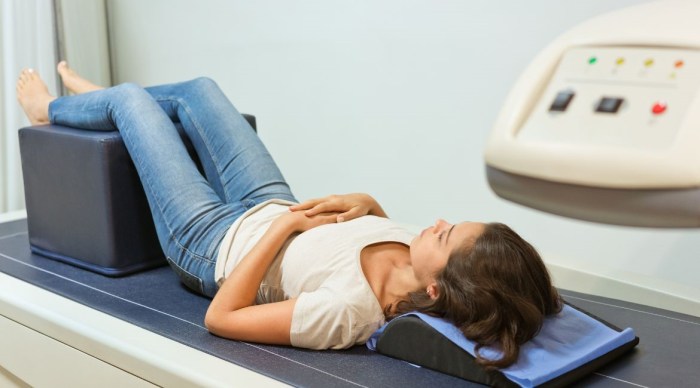
Maintaining muscle mass is crucial for overall bone health, as there is a strong relationship between bone density and muscle mass. Muscle mass plays a vital role in supporting bone strength and integrity.
Relationship Between Bone Density and Muscle Mass, Importance of bone density testing for early detection
Muscle mass and bone density are interconnected through a process known as mechanostat theory. This theory suggests that bones adapt to the mechanical loads placed upon them, and muscle contractions create these loads that stimulate bone formation. Therefore, individuals with higher muscle mass tend to have better bone density due to the increased mechanical stress on their bones.
- Strong muscles help to support and protect bones, reducing the risk of fractures and osteoporosis.
- Regular weight-bearing exercises, which help build muscle mass, are also beneficial for improving bone density.
- Individuals with low muscle mass may experience decreased bone strength and are at a higher risk of bone-related injuries.
“Muscle mass is like a protective shield for bones, providing the necessary support and strength to maintain bone health.”
Importance of Maintaining Muscle Mass for Bone Health
It is essential to focus on maintaining muscle mass through regular exercise and proper nutrition to ensure optimal bone health.
- Resistance training, such as weightlifting, can help increase muscle mass and improve bone density.
- Adequate protein intake is crucial for muscle growth and maintenance, which indirectly benefits bone health.
- Engaging in a balanced exercise routine that includes both cardiovascular and strength training activities is key to preserving muscle mass and bone strength.
By prioritizing the maintenance of muscle mass, individuals can take proactive steps towards safeguarding their bone health and overall well-being.
Ultimate Conclusion
In conclusion, bone density testing plays a significant role in early detection and prevention of bone-related issues. By understanding the importance of this testing, individuals can take proactive steps towards better bone health and overall well-being.
Question Bank
Can bone density testing identify conditions other than osteoporosis?
Yes, bone density testing can detect conditions like osteopenia and low bone mass, which are precursors to osteoporosis.
How often should one undergo bone density testing?
The frequency of testing depends on various factors like age, risk factors, and medical history. Consult with a healthcare provider for personalized recommendations.
Are there any risks associated with bone density testing?
Bone density testing is generally safe, non-invasive, and painless, involving minimal radiation exposure. However, individuals with certain conditions should consult with their doctor before undergoing the test.


