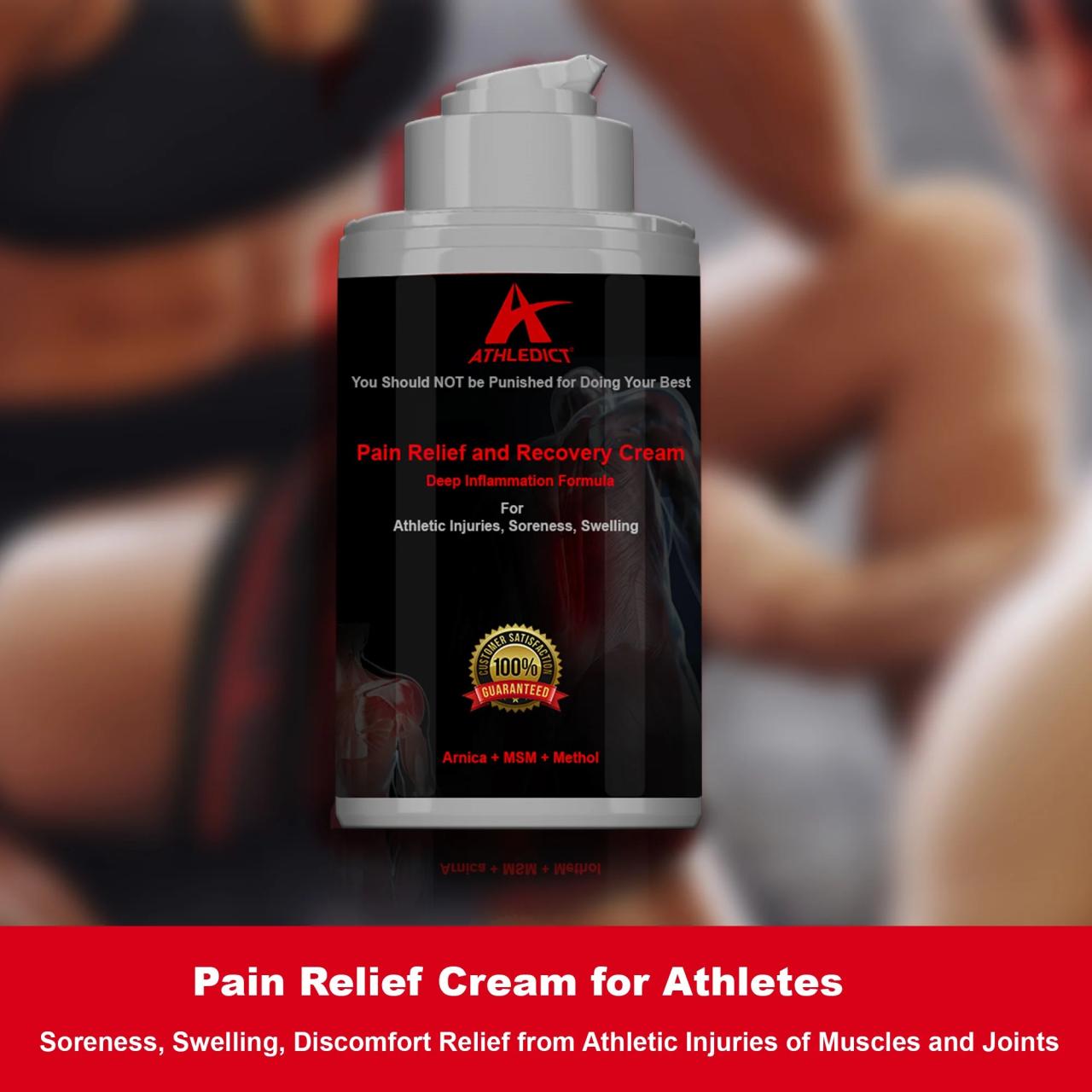
Topical pain relief creams for athletes provide targeted relief for muscle aches and pains, offering a convenient and effective solution to support peak performance. As athletes push their bodies to the limit, these creams play a crucial role in managing discomfort and promoting faster recovery.
Let’s delve into the world of topical pain relief creams tailored for athletes and explore their benefits and applications.
In this comprehensive guide, we will uncover the key ingredients, application methods, and best practices associated with using these specialized creams to enhance athletic performance and aid in injury prevention.
Topical Pain Relief Creams for Athletes
Athletes often face muscle soreness, joint pain, and other aches as a result of their intense physical activities. To alleviate these pains quickly and effectively, many athletes turn to topical pain relief creams. These creams are specifically formulated to provide targeted relief directly to the affected area, offering a convenient and efficient solution for athletes dealing with pain.
Key Ingredients in Topical Pain Relief Creams for Athletes
- Menthol: Known for its cooling effect, menthol helps to numb the pain and reduce inflammation in the muscles and joints.
- Camphor: Camphor acts as a mild analgesic and numbing agent, providing relief from muscle discomfort.
- Methyl Salicylate: This ingredient works as a counterirritant, creating a warm sensation that helps distract from the pain.
- Capsaicin: Capsaicin is derived from chili peppers and helps to block pain signals in the body, providing relief from muscle and joint pain.
Application Methods and Best Practices
When using topical pain relief creams, athletes should follow these best practices for optimal results:
- Start with a small amount of cream and apply it to the affected area, gently massaging it in until fully absorbed.
- Avoid applying the cream to broken skin or sensitive areas, such as the eyes or mucous membranes.
- Wash hands thoroughly after applying the cream to prevent accidental contact with sensitive areas.
- Wait for the cream to dry completely before covering the area with clothing to ensure maximum absorption.
Wellness Programs
Wellness programs play a crucial role in supporting athlete health by focusing on holistic well-being, injury prevention, and performance optimization.
Types of Wellness Programs
- Physical Therapy Programs: These programs focus on injury prevention, rehabilitation, and recovery through specialized exercises and treatments.
- Nutrition and Diet Programs: These programs provide athletes with personalized meal plans, nutritional guidance, and supplements to enhance performance and overall health.
- Mental Health and Stress Management Programs: These programs offer mental health support, counseling, and techniques to manage stress, anxiety, and pressure.
- Performance Enhancement Programs: These programs include strength training, conditioning, and skill development to optimize athletic performance.
Successful Wellness Programs in Professional Sports
Professional sports teams have implemented various successful wellness programs to support their athletes:
- Golden State Warriors:The NBA team focuses on mindfulness and meditation to help players manage stress and improve mental well-being.
- Dallas Cowboys:The NFL team provides comprehensive nutrition plans and personalized meal services to optimize player performance and recovery.
- Australian Institute of Sport:The institute offers a holistic approach to athlete wellness, including physical therapy, nutrition counseling, and mental health support.
Herbal Remedies
Herbal remedies have been used for centuries as a natural alternative for pain relief and muscle recovery in athletes. These remedies come from plants and herbs known for their therapeutic properties. Let’s explore the use of herbal remedies in sports and discuss their benefits and potential risks.
Popular Herbal Remedies for Athletes
- Arnica: Known for its anti-inflammatory properties, arnica is commonly used by athletes to reduce muscle soreness and bruising.
- Turmeric: Curcumin, the active compound in turmeric, has powerful anti-inflammatory effects and can help with muscle recovery and pain management.
- Ginger: Ginger is often used to alleviate muscle pain and reduce inflammation, making it a popular choice for athletes looking for natural remedies.
Benefits and Risks of Herbal Remedies in Sports
Herbal remedies offer athletes a natural and holistic approach to pain relief and muscle recovery, without the potential side effects of synthetic medications. They can be gentler on the body and may have fewer risks of dependency.
However, it’s important to note that not all herbal remedies are regulated by the FDA, so the quality and purity of these products can vary. Athletes should consult with a healthcare professional before incorporating herbal remedies into their wellness programs to ensure safety and efficacy.
Skin Health
Athletes often overlook the importance of maintaining healthy skin, but it plays a crucial role in their overall well-being and performance.
Common Skin Issues Faced by Athletes
- Athletes frequently face skin issues such as dryness, irritation, chafing, and inflammation due to sweating and friction from sports equipment.
- Exposure to harsh weather conditions like sun exposure, wind, and cold can also lead to skin damage and sensitivity in athletes.
- Repeated use of equipment like helmets, pads, and tight clothing can cause skin abrasions and breakouts.
How Topical Creams Can Help
- Topical pain relief creams not only help in reducing muscle soreness but also contain ingredients that can soothe and moisturize the skin.
- Anti-inflammatory properties in some topical creams can help in calming skin irritation and redness caused by intense physical activity.
- Formulations with cooling agents like menthol can provide a refreshing sensation and relieve discomfort from skin issues like chafing.
Tips for Athletes to Improve Skin Health
- Stay hydrated to keep skin moisturized and promote healing of any skin damage.
- Use sunscreen before outdoor activities to protect the skin from harmful UV rays and prevent sunburn.
- Shower immediately after workouts to remove sweat and bacteria that can cause skin irritation and breakouts.
- Choose breathable and moisture-wicking clothing to reduce friction and irritation on the skin during exercise.
Bone Density
Maintaining optimal bone density is crucial for athletes as it plays a significant role in their performance and injury prevention. Strong bones provide the necessary support for muscles and help reduce the risk of fractures and other bone-related injuries.
Importance of Diet and Exercise
Athletes can maintain and improve their bone density through a combination of proper diet and exercise. Consuming calcium-rich foods such as dairy products, leafy green vegetables, and fortified cereals can help support bone health. Additionally, engaging in weight-bearing exercises like running, jumping, and weightlifting can stimulate bone growth and strengthen the skeletal system.
Impact of Topical Creams
Topical pain relief creams can also have a positive impact on bone health in athletes. By reducing inflammation and relieving pain in sore muscles and joints, these creams can help athletes recover faster from intense workouts and training sessions. This, in turn, can contribute to overall bone health by promoting better mobility and allowing athletes to continue engaging in activities that support bone density.
Muscle Mass
Building and maintaining muscle mass is crucial for athletes looking to enhance their performance and overall strength. The relationship between muscle mass and athletic performance is undeniable, as stronger muscles can lead to improved power, endurance, and agility on the field or in the gym.
Tips for Building and Maintaining Muscle Mass
- Aim for a balanced diet rich in protein, complex carbohydrates, and healthy fats to provide the necessary nutrients for muscle growth.
- Incorporate strength training exercises into your workout routine to target specific muscle groups and stimulate growth.
- Ensure an adequate amount of rest and recovery time between workouts to allow muscles to repair and grow effectively.
- Stay hydrated and maintain proper hydration levels to support muscle function and performance.
- Consider incorporating topical pain relief creams into your post-workout routine to alleviate muscle soreness and support faster recovery.
Dental Care
Proper dental care is essential for overall athlete health as it can impact performance on the field. Neglecting oral hygiene can lead to various dental issues that can affect an athlete’s well-being and athletic abilities.
Common Dental Issues for Athletes
Athletes are prone to certain dental problems due to factors like dehydration, mouth breathing during intense workouts, and consumption of sugary sports drinks. Some common dental issues faced by athletes include:
- Tooth decay
- Gum disease
- Oral infections
- Mouth ulcers
Preventive Measures
Prevention is key when it comes to maintaining good oral health as an athlete. Here are some tips to prevent dental issues:
- Brush your teeth at least twice a day and floss regularly.
- Stay hydrated and drink water instead of sugary drinks.
- Use a mouthguard during contact sports to protect your teeth.
- Visit your dentist regularly for check-ups and cleanings.
Maintaining Good Oral Hygiene for Enhanced Athletic Performance
Good oral hygiene not only prevents dental problems but can also improve athletic performance. Poor oral health has been linked to decreased endurance and strength in athletes. By taking care of your teeth and gums, you can enhance your overall well-being and excel in your sport.
Eye Health
Eye health plays a crucial role in athletic performance as clear vision is essential for coordination, depth perception, and overall awareness during sports activities. Maintaining good eye health can help athletes react quickly and accurately to their surroundings, leading to better performance on the field.
Common Eye Conditions for Athletes and Treatment Options
- Astigmatism: A common condition where the cornea or lens is irregularly shaped, causing blurred vision. Treatment options may include corrective lenses, LASIK surgery, or orthokeratology.
- Conjunctivitis (Pink Eye): An inflammation of the conjunctiva, often caused by bacterial or viral infections. Treatment includes antibiotics or antiviral medication, along with good hygiene practices to prevent spread.
- Eye Strain: Athletes who spend long hours focusing on screens or detailed tasks may experience eye strain. Treatment involves resting the eyes, adjusting lighting, and using the 20-20-20 rule (looking at something 20 feet away for 20 seconds every 20 minutes).
- Photokeratitis (Snow Blindness): Common in outdoor sports, this condition results from UV exposure reflecting off snow or water. Treatment includes wearing UV-protective sunglasses and using artificial tears for relief.
Recommendations for Protecting Eye Health
- Wear protective eyewear: Use appropriate goggles or glasses to shield the eyes from impact during contact sports or outdoor activities.
- Follow the 20-20-20 rule: Take regular breaks when focusing on screens or intense tasks to reduce eye strain.
- Stay hydrated: Proper hydration is essential for maintaining eye moisture and preventing dryness.
- Eat a balanced diet: Include foods rich in vitamins A, C, and E, as well as omega-3 fatty acids to support eye health.
Mental Clarity
Maintaining mental clarity is crucial for athletes as it directly impacts their sports performance. A clear and focused mind can help athletes make quick decisions, stay calm under pressure, and enhance overall concentration during training and competitions.
Techniques to Improve Mental Focus
- Practice mindfulness and meditation to train the mind to stay present and focused.
- Visualize success and positive outcomes to boost confidence and motivation.
- Set specific goals and create actionable plans to stay organized and driven.
- Engage in regular physical exercise to reduce stress and improve cognitive function.
Role of Holistic Treatments in Enhancing Mental Clarity
Holistic treatments such as acupuncture, yoga, and aromatherapy can help athletes achieve mental clarity by addressing the mind-body connection. These practices focus on overall well-being, stress reduction, and emotional balance, which are essential for optimal mental performance in sports.
Joint Flexibility
Joint flexibility plays a crucial role in the performance and overall well-being of athletes. It allows for a greater range of motion, reduces the risk of injuries, and enhances athletic performance.
Exercises and Stretches to Improve Joint Flexibility
- Dynamic stretching: Incorporating movements like leg swings, arm circles, and hip rotations can help increase joint mobility.
- Yoga: Practicing yoga poses such as downward dog, pigeon pose, and warrior pose can improve flexibility in various joints.
- Foam rolling: Using a foam roller on tight muscles can help release tension and improve flexibility in the joints.
Role of Topical Creams in Relieving Joint Pain and Enhancing Flexibility
Topical pain relief creams containing ingredients like menthol, arnica, or capsaicin can help reduce joint pain and inflammation, allowing for better flexibility. These creams can provide targeted relief to specific areas of discomfort, making them a convenient option for athletes looking to improve joint flexibility.
Digestive Health
Maintaining good digestive health is crucial for athletes as it directly impacts their performance on the field. A healthy digestive system ensures proper absorption of nutrients, which is essential for energy production, muscle recovery, and overall well-being.
Dietary Tips for Athletes
- Athletes should focus on consuming a balanced diet rich in fruits, vegetables, whole grains, lean proteins, and healthy fats to support digestive health.
- Hydration is key for optimal digestion, so athletes should drink plenty of water throughout the day.
- Avoiding processed foods, sugary drinks, and excessive caffeine can help maintain a healthy gut microbiome.
- Incorporating probiotic-rich foods like yogurt, kefir, and sauerkraut can promote the growth of beneficial bacteria in the gut.
- Eating smaller, more frequent meals can aid digestion and prevent gastrointestinal discomfort during training or competitions.
Health Supplements for Digestive Support
- Athletes may benefit from taking digestive enzymes or probiotic supplements to enhance nutrient absorption and support gut health.
- Glutamine, an amino acid, has been shown to help maintain the integrity of the intestinal lining and improve digestive function in athletes.
- Including fiber supplements like psyllium husk or flaxseed can promote regular bowel movements and prevent digestive issues like constipation.
- Herbal remedies such as ginger, peppermint, and turmeric may also aid in digestion and reduce inflammation in the gut.
- Consulting with a healthcare provider or nutritionist is recommended before adding any new supplements to an athlete’s regimen to ensure safety and effectiveness.
Detox Process
Detoxification is a crucial process for athletes as it helps in the recovery and overall health of the body. By eliminating toxins and waste, detoxification can reduce inflammation, improve immune function, and boost energy levels.
Natural Methods for Detoxification
- Stay hydrated by drinking plenty of water throughout the day to flush out toxins.
- Incorporate antioxidant-rich foods such as berries, leafy greens, and nuts into your diet.
- Engage in regular exercise to sweat out toxins and improve circulation.
- Get enough sleep to allow your body to repair and detoxify during rest.
Role of Detox Processes in Athletic Performance
Detox processes play a vital role in optimizing athletic performance by improving recovery time, reducing muscle soreness, and enhancing overall endurance. Athletes who prioritize detoxification are better equipped to handle the physical demands of training and competition.
Blood Pressure
Maintaining healthy blood pressure levels is crucial for athletes as it directly impacts their overall health and performance. High blood pressure can increase the risk of heart disease, stroke, and other serious health issues, while low blood pressure can lead to dizziness, fatigue, and reduced athletic performance.
Relationship between Blood Pressure Levels and Athlete Health
- Athletes with high blood pressure may experience decreased endurance, reduced oxygen delivery to muscles, and increased risk of heart-related complications during intense physical activity.
- On the other hand, athletes with low blood pressure may struggle with dizziness, lightheadedness, and inadequate blood flow to vital organs, affecting their performance and recovery.
- Regular monitoring of blood pressure levels is essential for athletes to ensure optimal health and performance.
Tips for Maintaining Healthy Blood Pressure Levels
- Stay hydrated: Proper hydration helps regulate blood volume and supports healthy blood pressure levels.
- Follow a balanced diet: Incorporate plenty of fruits, vegetables, whole grains, and lean proteins to promote heart health and maintain optimal blood pressure.
- Engage in regular exercise: Physical activity helps strengthen the heart, improve circulation, and support healthy blood pressure regulation.
- Manage stress: High stress levels can contribute to elevated blood pressure, so practicing relaxation techniques and stress management strategies is essential for athletes.
Impact of Exercise and Diet on Blood Pressure Regulation in Athletes
Regular exercise and a balanced diet play a significant role in regulating blood pressure levels in athletes. Physical activity helps improve cardiovascular health, strengthen the heart muscle, and enhance blood circulation, leading to better blood pressure control. Additionally, a nutrient-rich diet that includes foods high in potassium, magnesium, and fiber can further support healthy blood pressure levels in athletes.
Heart Rate
Monitoring heart rate is essential for athletes during training as it provides valuable insights into their cardiovascular fitness, intensity levels, and overall performance. By tracking heart rate, athletes can optimize their workouts, prevent overtraining, and improve their endurance.
Ideal Heart Rate Zones
- Aerobic Zone: 70-80% of maximum heart rate – Ideal for endurance training and improving cardiovascular fitness.
- Anaerobic Zone: 80-90% of maximum heart rate – Suitable for high-intensity interval training and building speed and power.
- Red Zone: 90-100% of maximum heart rate – Reserved for maximum effort activities like sprinting or high-intensity intervals.
Using Heart Rate Data
- Tracking heart rate during workouts can help athletes gauge their intensity levels and adjust their training accordingly.
- Athletes can use heart rate data to identify their aerobic and anaerobic thresholds, allowing them to train more effectively.
- By monitoring heart rate variability, athletes can assess their recovery status and prevent overtraining or burnout.
Health Screenings
Regular health screenings are essential for athletes to monitor their overall health and well-being. These screenings can help identify potential health issues early on, allowing athletes to address them promptly and prevent more serious problems in the future.
Key Screenings for Athletes
- Cardiovascular screenings: Athletes should undergo regular screenings to monitor heart health and detect any potential issues that could affect their performance.
- Blood pressure checks: Monitoring blood pressure levels is crucial for athletes to ensure optimal cardiovascular health and performance.
- Body composition analysis: Regular assessments of body composition can help athletes maintain a healthy weight and muscle mass, which are vital for optimal performance.
- Bone density scans: Athletes, especially those involved in high-impact sports, should undergo bone density scans to assess their risk of fractures and osteoporosis.
Benefits of Health Screenings for Professional Athletes
Professional athletes have greatly benefited from regular health screenings, as these screenings have helped them detect and address health issues before they escalate. For example, many professional athletes have been able to identify and manage conditions such as high blood pressure, heart abnormalities, and musculoskeletal injuries through routine screenings.
By staying proactive about their health, professional athletes can optimize their performance and longevity in their respective sports.
Vaccination Programs
Vaccination programs play a crucial role in protecting the health of athletes by preventing the spread of infectious diseases in sports settings. By ensuring that athletes are immunized against common illnesses, vaccination programs help maintain a safe and healthy environment for training and competition.
Common Vaccinations for Athletes
- Seasonal Influenza Vaccine: Athletes are often in close contact with teammates and opponents, increasing their risk of exposure to the flu virus. The seasonal influenza vaccine can help prevent the spread of the flu in athletic settings.
- Tetanus Vaccine: Due to the nature of sports activities, athletes may be at risk of tetanus infection through cuts or wounds. A tetanus vaccine is essential to protect athletes from this potentially serious bacterial infection.
- Hepatitis B Vaccine: Hepatitis B is a viral infection that can be transmitted through contact with infected blood or body fluids. Athletes involved in contact sports or activities with potential exposure to blood should consider getting vaccinated against hepatitis B.
Benefits of Vaccination Programs for Athletes
- Prevention of Outbreaks: Vaccination programs help prevent outbreaks of vaccine-preventable diseases among athletes, coaches, and staff members, reducing the risk of disruptions to training and competitions.
- Protection of Vulnerable Individuals: Athletes with compromised immune systems or underlying health conditions may be at higher risk of serious complications from infectious diseases. Vaccination programs help protect these vulnerable individuals within the sports community.
- Compliance with Regulations: Some sports organizations and governing bodies may require athletes to be up-to-date on certain vaccinations as part of their participation requirements. Vaccination programs ensure compliance with these regulations.
Concerns and Controversies
- Anti-Vaccination Movement: Some athletes or individuals in the sports community may have concerns or beliefs against vaccinations, leading to challenges in promoting vaccination programs. Addressing misinformation and providing education on the benefits of vaccines is essential in overcoming these obstacles.
- Side Effects and Safety: Athletes may express concerns about potential side effects or safety issues associated with vaccines. It is important to emphasize the rigorous testing and monitoring processes that ensure the safety and effectiveness of vaccines for athletes.
Healthy Habits
Maintaining healthy habits is crucial for athletes to optimize their performance and overall well-being. Consistent healthy habits can have a significant impact on an athlete’s physical and mental capabilities, allowing them to reach their full potential on and off the field.
Essential Healthy Habits for Athletes
- Adequate Hydration: Staying properly hydrated is essential for optimal performance. Athletes should drink plenty of water throughout the day and especially before, during, and after workouts.
- Nutritious Diet: Eating a balanced diet rich in lean proteins, complex carbohydrates, fruits, and vegetables is vital for fueling the body and promoting recovery.
- Consistent Exercise Routine: Regular physical activity is key for maintaining strength, endurance, and flexibility. Athletes should incorporate a variety of exercises to target different muscle groups.
- Proper Rest and Recovery: Getting an adequate amount of sleep and allowing time for rest and recovery is crucial for muscle repair and overall performance enhancement.
- Mental Wellness Practices: Incorporating stress-relief techniques such as meditation, deep breathing exercises, or yoga can help athletes manage pressure and maintain focus.
Balanced Hormones
Balanced hormones play a crucial role in the health and performance of athletes. Hormones are chemical messengers that regulate various bodily functions, including metabolism, energy levels, muscle growth, and recovery. When hormones are imbalanced, athletes may experience decreased performance, increased fatigue, and a higher risk of injury.
Factors Affecting Hormone Levels in Athletes
Maintaining balanced hormone levels can be challenging for athletes due to several factors. Intense training, inadequate rest, poor nutrition, and high stress levels can all disrupt hormone production and lead to imbalances. Additionally, factors like age, genetics, and underlying medical conditions can also impact hormone levels in athletes.
- Intense Training: Overtraining without proper rest can elevate cortisol levels and decrease testosterone, leading to hormonal imbalances.
- Poor Nutrition: Inadequate intake of essential nutrients can affect hormone production and regulation in athletes.
- High Stress Levels: Chronic stress can disrupt the hypothalamic-pituitary-adrenal (HPA) axis, impacting hormone balance.
It’s essential for athletes to address these factors to maintain optimal hormone levels for peak performance.
Strategies to Naturally Balance Hormones in Athletes
Athletes can take proactive steps to naturally balance their hormones and support overall health and performance. These strategies include proper nutrition, adequate rest, stress management, and lifestyle modifications.
- Eat a Balanced Diet: Consuming nutrient-dense foods rich in proteins, healthy fats, vitamins, and minerals can support hormone production and regulation.
- Get Sufficient Rest: Prioritizing quality sleep and rest days is crucial for hormone balance and recovery in athletes.
- Manage Stress: Practicing relaxation techniques, meditation, and mindfulness can help reduce stress levels and support hormonal health.
- Stay Hydrated: Proper hydration is essential for hormone synthesis and overall physiological function in athletes.
Health Coaching
Health coaching plays a crucial role in supporting athletes’ overall well-being by providing personalized guidance and support to help them achieve their health goals.
Role of Health Coaches
Health coaches work closely with athletes to develop customized plans that encompass various aspects of their health, including nutrition, exercise, recovery, and mental well-being. They provide encouragement, accountability, and motivation to help athletes stay on track and make positive changes in their lifestyle.
Setting and Achieving Health Goals
- Health coaches assist athletes in setting realistic and achievable health goals based on their individual needs and aspirations.
- They help athletes break down their goals into manageable steps and provide strategies to overcome obstacles and stay focused.
- By monitoring progress and adjusting plans as needed, health coaches empower athletes to make lasting changes and reach their full potential.
Benefits of Personalized Health Coaching
- Enhanced Performance: Health coaches help athletes optimize their physical and mental well-being, leading to improved performance on and off the field.
- Injury Prevention: By addressing potential risk factors and promoting proper recovery techniques, health coaches can help reduce the likelihood of injuries.
- Overall Well-Being: Personalized health coaching can contribute to athletes’ overall well-being by fostering healthy habits and promoting balance in all aspects of their lives.
Fitness Goals
Setting realistic fitness goals is crucial for athletes to progress and improve their performance effectively. By establishing clear objectives, athletes can stay motivated, focused, and track their progress over time.
Short-term and Long-term Goals for Different Sports
- Short-term Goal Example: A basketball player aiming to improve their free throw percentage by 5% within the next month.
- Long-term Goal Example: A marathon runner training to complete a full marathon within one year.
- Short-term Goal Example: A weightlifter looking to increase their squat max by 10 pounds in three months.
- Long-term Goal Example: A swimmer working towards qualifying for a national competition in two years.
Tracking Progress
Athletes can track their progress towards achieving fitness goals by utilizing various methods:
- Keeping a workout journal to record training sessions, sets, reps, and weights used.
- Using fitness apps or wearable technology to monitor heart rate, distance covered, and calories burned.
- Scheduling regular fitness assessments to measure strength, endurance, flexibility, and other key performance indicators.
Diet Planning
Proper nutrition and diet planning play a crucial role in the performance and recovery of athletes. By fueling their bodies with the right nutrients, athletes can optimize their training, enhance their endurance, and accelerate their recovery process.
Key Nutrients for Athletes
- Protein: Essential for muscle repair and growth. Athletes should aim to consume high-quality sources of protein such as lean meats, poultry, fish, eggs, dairy, legumes, and plant-based protein sources like tofu and tempeh.
- Carbohydrates: Serve as the primary energy source for athletes. Opt for complex carbohydrates like whole grains, fruits, vegetables, and legumes to sustain energy levels during training sessions.
- Fats: Provide a concentrated source of energy and support hormone production. Focus on incorporating healthy fats from sources like avocados, nuts, seeds, and olive oil into the diet.
- Vitamins and Minerals: Play crucial roles in various bodily functions and supporting overall health. Ensure adequate intake of vitamins and minerals through a diverse diet rich in fruits, vegetables, whole grains, and nuts.
- Hydration: Proper hydration is key for maintaining performance and preventing dehydration. Athletes should drink plenty of water throughout the day and during workouts to stay hydrated.
Guidelines for Creating an Effective Diet Plan
- Consult with a registered dietitian or nutritionist to tailor a diet plan according to individual needs, goals, and training intensity.
- Focus on consuming nutrient-dense foods that provide a balance of carbohydrates, protein, and fats to support energy levels and muscle recovery.
- Plan meals and snacks strategically around training sessions to optimize performance and enhance recovery.
- Consider the timing of nutrient intake, such as consuming carbohydrates before and after workouts to replenish glycogen stores and support muscle recovery.
- Monitor progress and make adjustments as needed based on performance, recovery, and overall well-being.
Health Supplements
Athletes often turn to health supplements as a way to enhance their performance and support their overall well-being. These supplements can provide essential nutrients, improve recovery time, and boost energy levels, among other benefits.
Common Supplements for Athletes
- Protein Powders: Protein is crucial for muscle repair and growth, making protein powders a popular choice for athletes looking to increase their muscle mass and strength.
- BCAAs (Branched-Chain Amino Acids): BCAAs can help reduce muscle soreness and fatigue during exercise, leading to improved performance and faster recovery.
- Creatine: Creatine is known for enhancing strength and power, making it a go-to supplement for athletes involved in high-intensity activities like weightlifting or sprinting.
- Omega-3 Fatty Acids: Omega-3s have anti-inflammatory properties that can help reduce exercise-induced inflammation and support heart health.
It’s essential for athletes to choose supplements from reputable brands and consult with a healthcare professional before adding them to their routine.
Choosing Safe and Effective Supplements
- Look for third-party testing certifications like NSF International or Informed-Sport to ensure the supplement has been tested for quality and safety.
- Consider your individual needs and goals when selecting supplements, as not all products will benefit every athlete in the same way.
- Avoid supplements with proprietary blends or hidden ingredients, as transparency is key to knowing what you’re putting into your body.
Breathing Techniques
Proper breathing techniques play a crucial role in enhancing sports performance by optimizing oxygen intake, improving focus, and reducing stress levels.
Importance of Proper Breathing Techniques
- Effective breathing techniques can help athletes regulate their heart rate and improve endurance during physical activities.
- Proper breathing ensures that muscles receive an adequate supply of oxygen, reducing fatigue and enhancing overall performance.
- Deep breathing techniques can also help athletes manage stress and anxiety, promoting mental clarity and focus during competitions.
Examples of Breathing Exercises
- Diaphragmatic Breathing: Inhale deeply through your nose, allowing your diaphragm to expand, then exhale slowly through your mouth, focusing on full exhalation.
- Box Breathing: Inhale for a count of four, hold for four, exhale for four, and hold for four. Repeat this cycle for several minutes.
- Nadi Shodhana (Alternate Nostril Breathing): Close your right nostril with your thumb, inhale through the left nostril, then close the left nostril with your ring finger and exhale through the right nostril. Repeat on the other side.
Incorporating Breathing Techniques into Training Routine
- Start each workout with a few minutes of focused breathing exercises to center yourself and prepare for physical exertion.
- Practice breathing techniques during rest intervals between sets to maintain composure and regulate heart rate.
- During endurance training, focus on deep breathing to sustain energy levels and improve stamina.
Disease Prevention
Athletes, just like anyone else, are susceptible to various diseases and illnesses. However, due to their intense physical training and lifestyle, they may face unique challenges when it comes to disease prevention. It is crucial for athletes to prioritize their health and take proactive steps to strengthen their immune system and prevent illnesses.
Importance of Disease Prevention for Athletes
- Athletes often push their bodies to the limit, making them more vulnerable to infections and illnesses.
- Being sidelined by a preventable illness can hinder an athlete’s performance and overall progress.
- Strong disease prevention strategies can help athletes maintain consistency in their training and competition schedules.
Tips for Strengthening Immune System
- Ensure a balanced diet rich in fruits, vegetables, lean proteins, and whole grains to provide essential nutrients for immune function.
- Stay hydrated to support immune system functions and overall health.
- Get an adequate amount of sleep to allow the body to rest and recover, essential for immune health.
- Practice good hygiene, such as washing hands regularly and avoiding contact with sick individuals, to prevent the spread of infections.
Common Diseases for Athletes and Prevention Strategies
| Disease | Prevention Strategies |
|---|---|
| Cold and Flu | Regular handwashing, getting flu shots, maintaining a healthy lifestyle, and avoiding close contact with sick individuals. |
| Upper Respiratory Infections | Avoiding exposure to allergens, staying hydrated, and practicing good respiratory hygiene. |
| Skin Infections | Showering immediately after training, keeping equipment clean, and avoiding sharing personal items. |
Pain Management
Pain management is a crucial aspect for athletes to perform at their best and recover effectively. It involves various methods to alleviate discomfort and promote healing.
Topical Pain Relief Creams vs. Oral Pain Medications
When it comes to managing pain, athletes often have the choice between topical pain relief creams and oral pain medications. Topical creams are applied directly to the skin over the affected area, providing targeted relief. They are convenient, fast-acting, and usually have fewer side effects compared to oral medications.
However, they may not be as potent for severe pain or offer systemic relief. On the other hand, oral pain medications like NSAIDs or opioids can provide more widespread pain relief but come with a higher risk of side effects and potential dependency.
Athletes should weigh the benefits and drawbacks of each option based on their specific needs and consult with healthcare professionals for guidance.
Strategies for Effective Pain Management, Topical pain relief creams for athletes
- Maintain proper form and technique during training to prevent injuries that can lead to pain.
- Implement a comprehensive warm-up and cooldown routine to prepare the body for exercise and promote recovery.
- Incorporate regular stretching and mobility exercises to improve flexibility and reduce muscle tension.
- Stay hydrated and nourished with a balanced diet to support overall health and facilitate healing.
- Utilize ice packs, heat therapy, massage, and other recovery techniques to alleviate soreness and inflammation.
- Listen to your body and rest when needed to avoid overtraining and exacerbating pain.
- Work with a healthcare provider or physical therapist to develop a personalized pain management plan that addresses your specific needs and goals.
Holistic Treatments
Holistic treatments focus on treating the whole person, including physical, mental, emotional, and spiritual aspects. Athletes can benefit greatly from incorporating holistic therapies into their wellness routine to enhance performance and overall well-being.
Acupuncture
Acupuncture is an ancient Chinese practice that involves inserting thin needles into specific points on the body to stimulate energy flow and promote healing. Athletes often use acupuncture to relieve pain, reduce inflammation, and improve recovery time. This holistic therapy can also help with stress management and enhance athletic performance.
Chiropractic Care
Chiropractic care focuses on the alignment of the spine and musculoskeletal system to promote overall health and well-being. Athletes can benefit from chiropractic adjustments to improve joint function, reduce pain, and enhance flexibility. This holistic approach can also help prevent injuries and optimize athletic performance.
Massage Therapy
Massage therapy involves manipulating soft tissues in the body to improve circulation, reduce muscle tension, and promote relaxation. Athletes often use massage therapy to speed up recovery, alleviate muscle soreness, and enhance flexibility. This holistic treatment can also help with stress relief and improve overall athletic performance.
Mental Resilience
Mental resilience is the ability to adapt and bounce back from adversity, challenges, and setbacks. For athletes, mental resilience is crucial for maintaining focus, motivation, and performance, especially in high-pressure situations.
Building Mental Toughness
- Practice positive self-talk: Encourage athletes to replace negative thoughts with positive affirmations to boost confidence and resilience.
- Set realistic goals: Help athletes set achievable short-term and long-term goals to build confidence and motivation.
- Develop a routine: Establishing a consistent pre-game or pre-training routine can help athletes stay focused and mentally prepared.
- Stay present: Encourage athletes to focus on the present moment and avoid getting caught up in past mistakes or future worries.
Overcoming Challenges
- Embrace failure as a learning opportunity: Teach athletes to view setbacks as opportunities for growth and learning, rather than as failures.
- Seek support: Encourage athletes to lean on coaches, teammates, or mental health professionals for guidance and support during tough times.
- Stay resilient in the face of adversity: Remind athletes that resilience is a skill that can be developed and strengthened over time through practice and perseverance.
Last Word
In conclusion, topical pain relief creams are indispensable tools for athletes seeking to optimize their performance and maintain peak physical condition. By incorporating these creams into their training regimen, athletes can effectively manage pain, improve recovery times, and stay at the top of their game.
Embrace the power of topical pain relief creams and experience the difference in your athletic journey today.
Query Resolution
Are topical pain relief creams safe for athletes to use regularly?
Yes, when used as directed, topical pain relief creams are generally safe for regular use by athletes. It is essential to follow the instructions and consult with a healthcare professional if you have any concerns.
Can topical pain relief creams cause skin irritation or allergic reactions?
While rare, some individuals may experience skin irritation or allergic reactions to certain ingredients in topical pain relief creams. It’s recommended to perform a patch test before widespread use and discontinue use if any adverse reactions occur.
Do topical pain relief creams have any performance-enhancing effects?
Topical pain relief creams primarily target pain management and muscle soreness rather than enhancing athletic performance. These creams provide localized relief and aid in recovery, allowing athletes to continue training at optimal levels.


